Blog

Keto coconut flour blueberry muffins (keto, gluten-free, lactose-free)

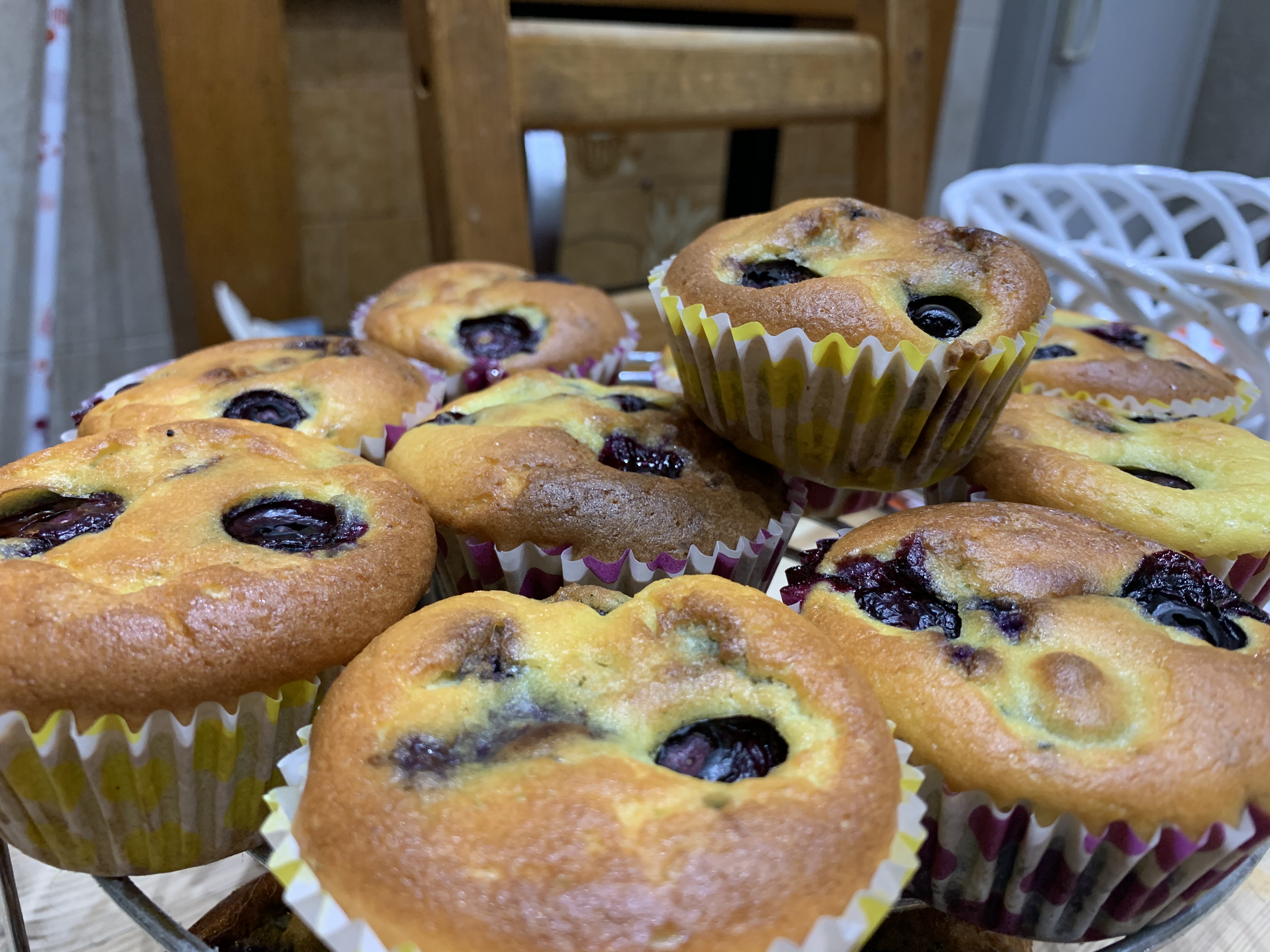
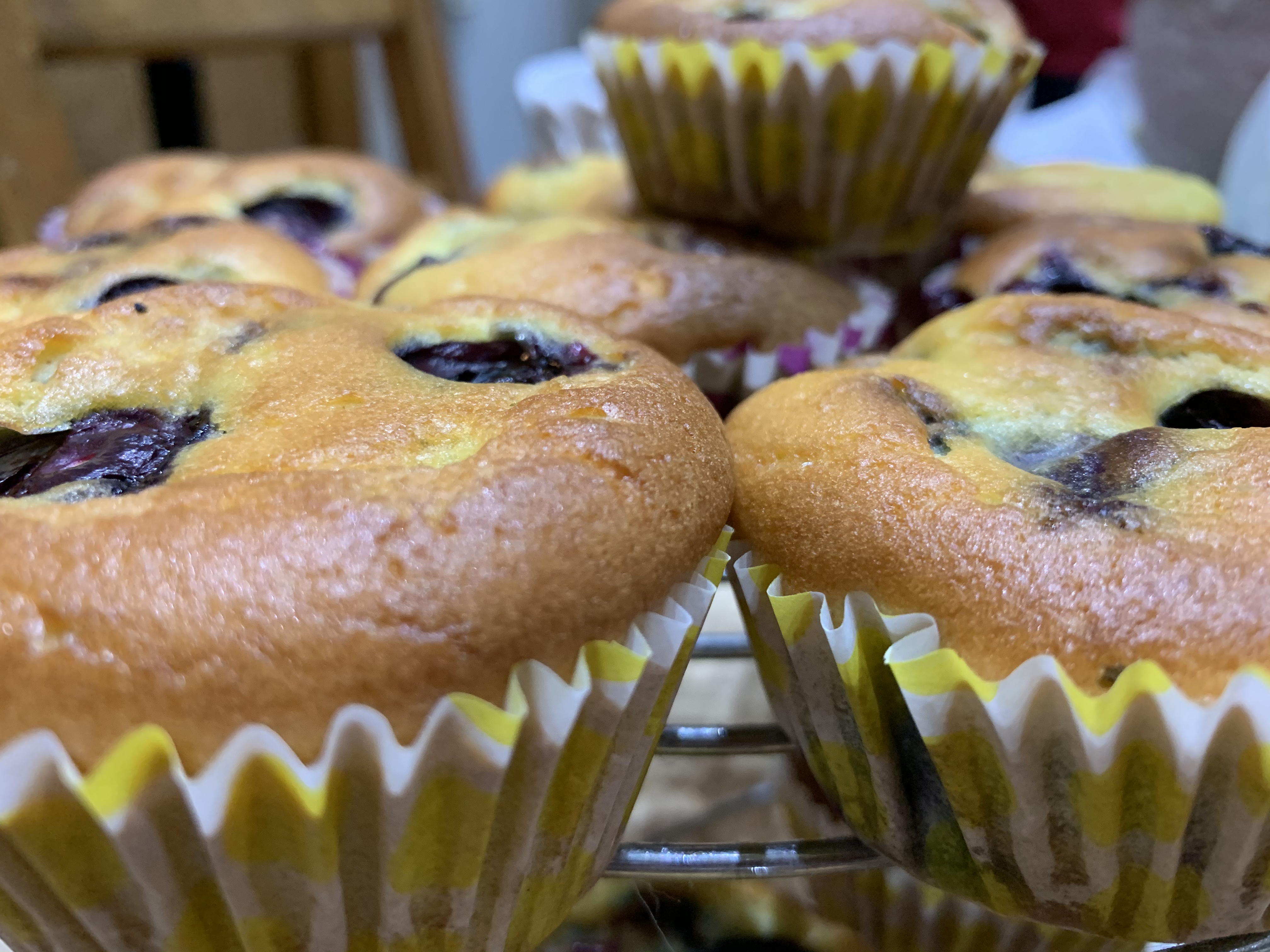
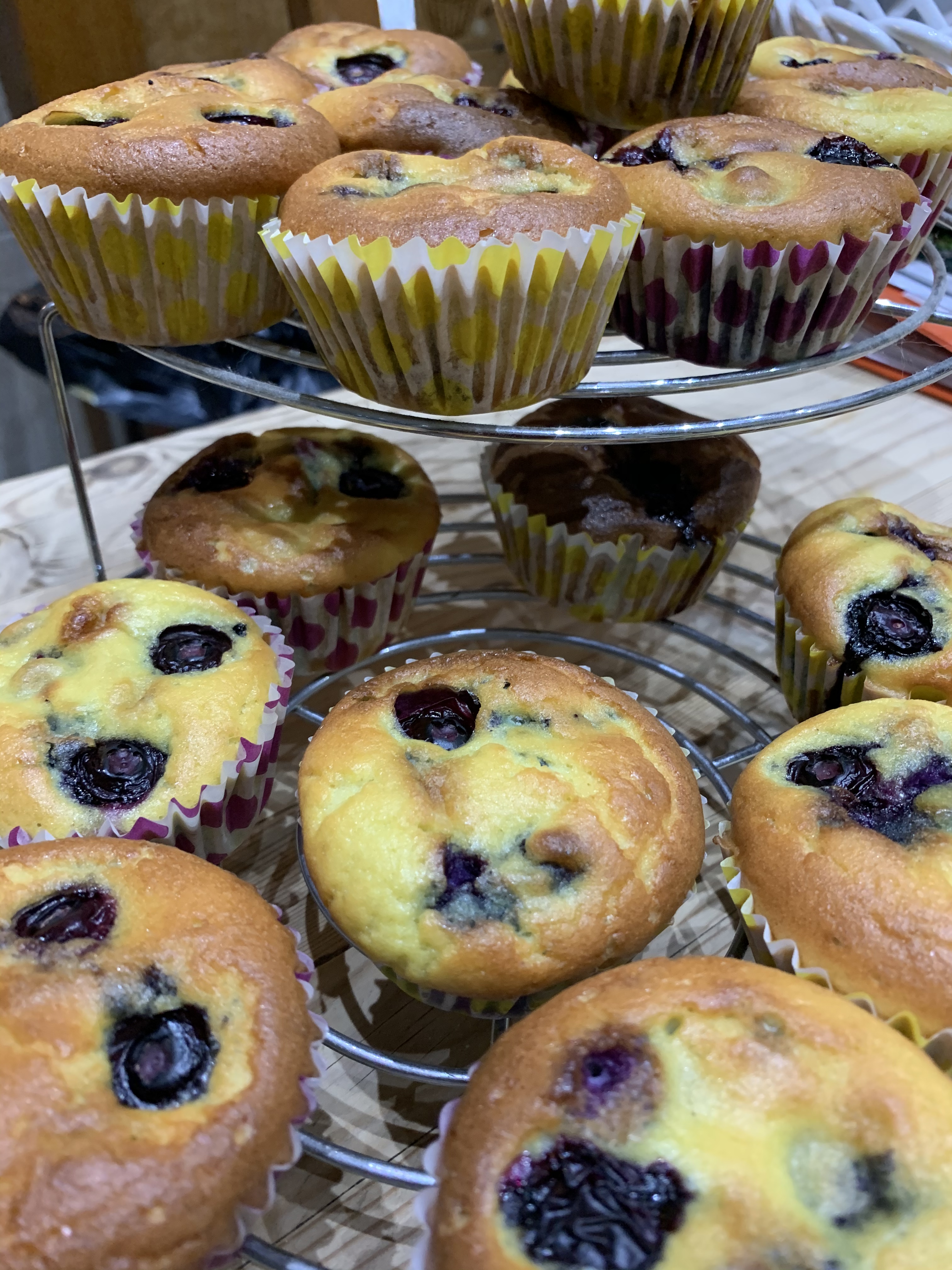
This recipe makes a great muffin; it’s moist but holds the blueberries well so there’s no sinking to the bottom! I am trying to lose a bit of weight (lockdown weight!) so I made 18 smaller muffins. They are still a good size. I froze them as soon as they cooled and they defrost really well in the microwave to have with coffee for a quick breakfast. The original recipe states it made 12 muffins, but I made 18 so adjust the nutritional information accordingly.

Nutrition (for 1 muffin based on 12): calories: 227, fat: 19g, net carbs: 4g, sugar: 2g

Ingredients:

  • 1 cup coconut flour
  • 1/2 cup erythritol
  • 1 tbsp gluten-free baking powder
  • 1/4 tsp seat salt
  • 10 large eggs (at room temperature)
  • 2/3 cup coconut oil (melted)
  • 1 cup unsweetened coconut milk (or any milk of your choice)
  • 1 tsp vanilla extract
  • 3/4 cup blueberries

Method:

  • Preheat the oven to 350 degrees F (177 degrees C, or fan-assisted 157 degrees C).
  • Line a baking tray with muffin cases (Note: The original recipe states to double up the muffin cases if you want a taller muffin. I made 18 muffins with my mixture, as I wanted them to be smaller rather than tall).
  • In a large bowl, mix together the dry ingredients: coconut flour, erythritol, baking powder, and salt.
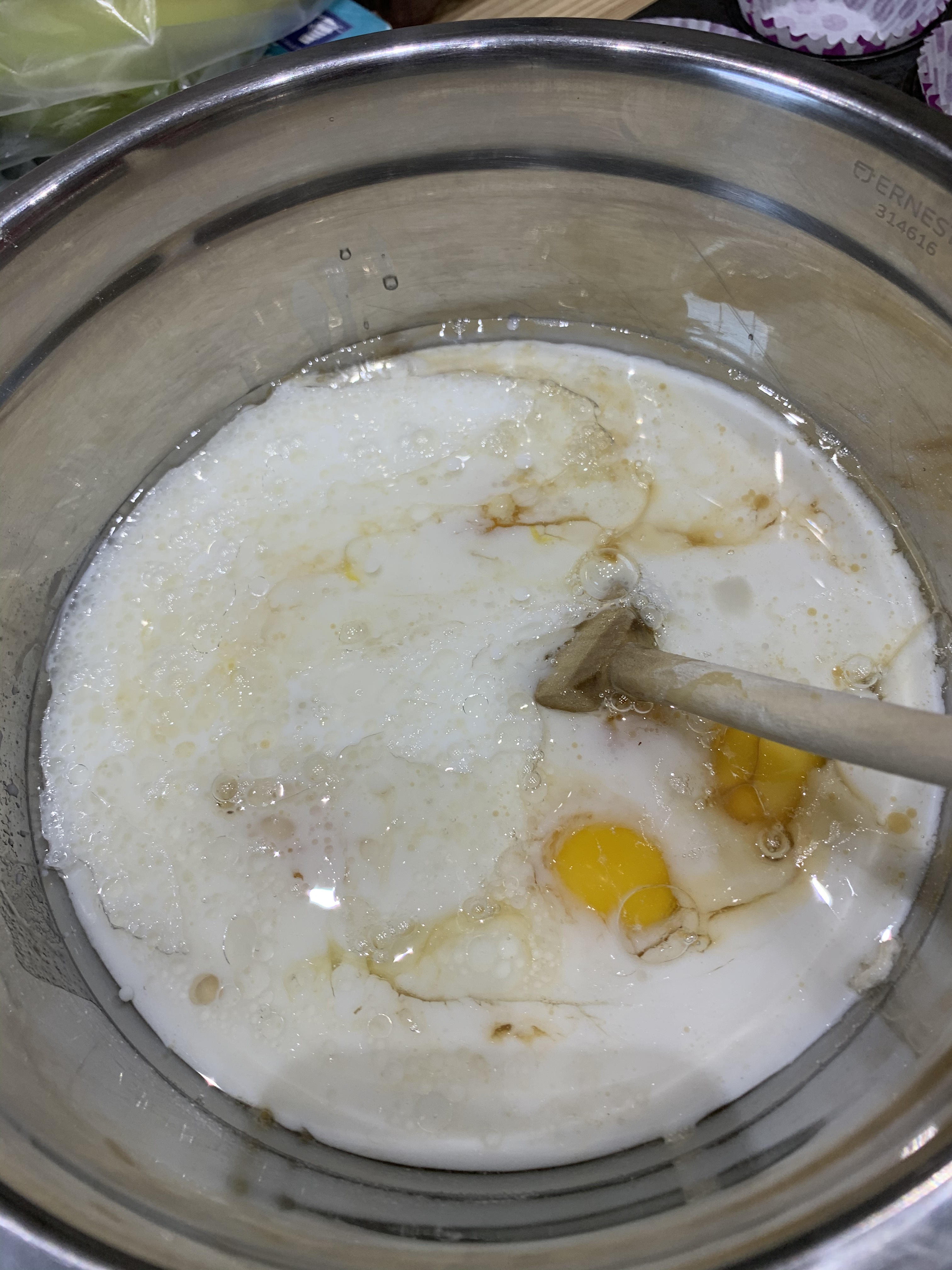
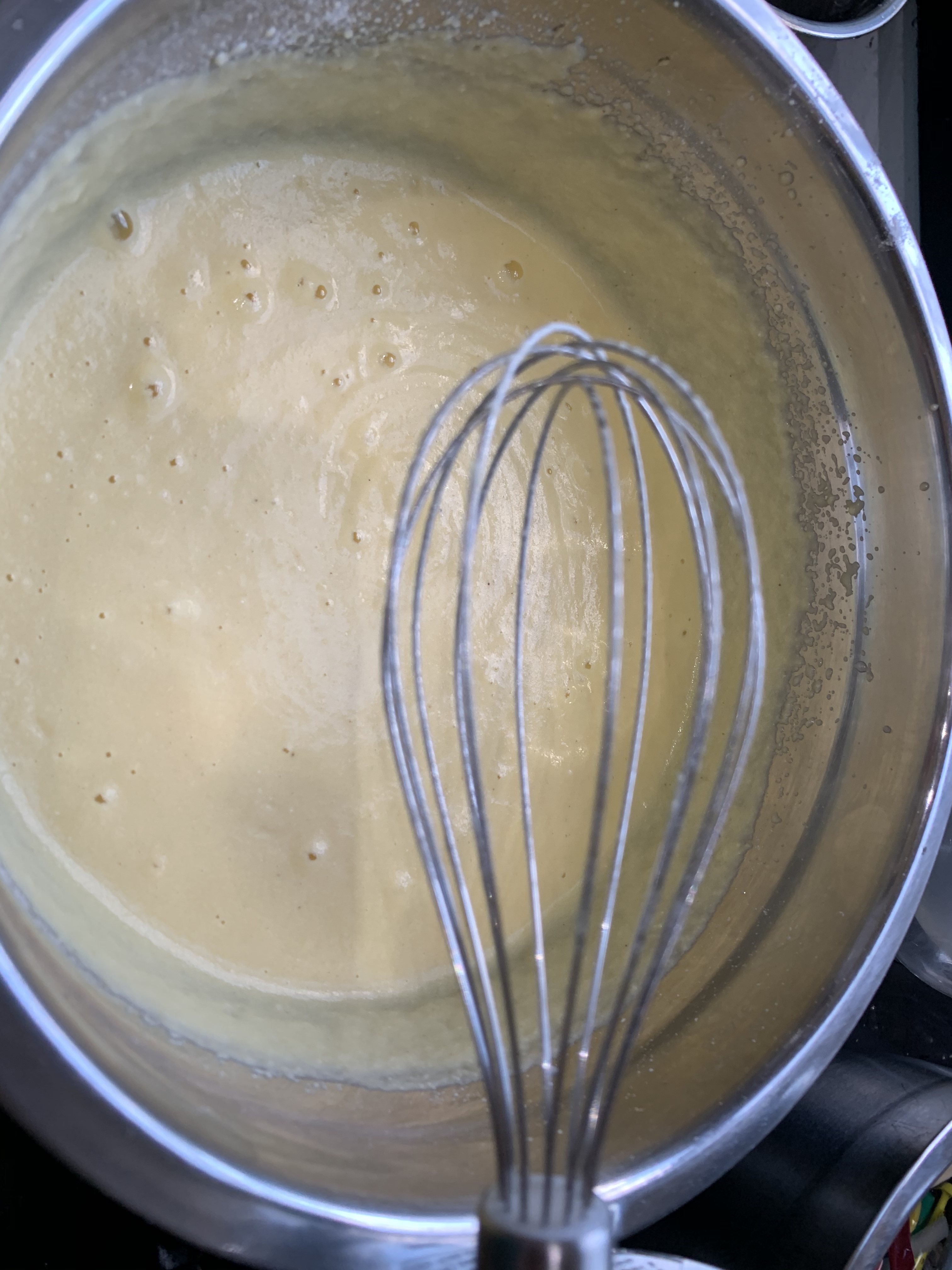
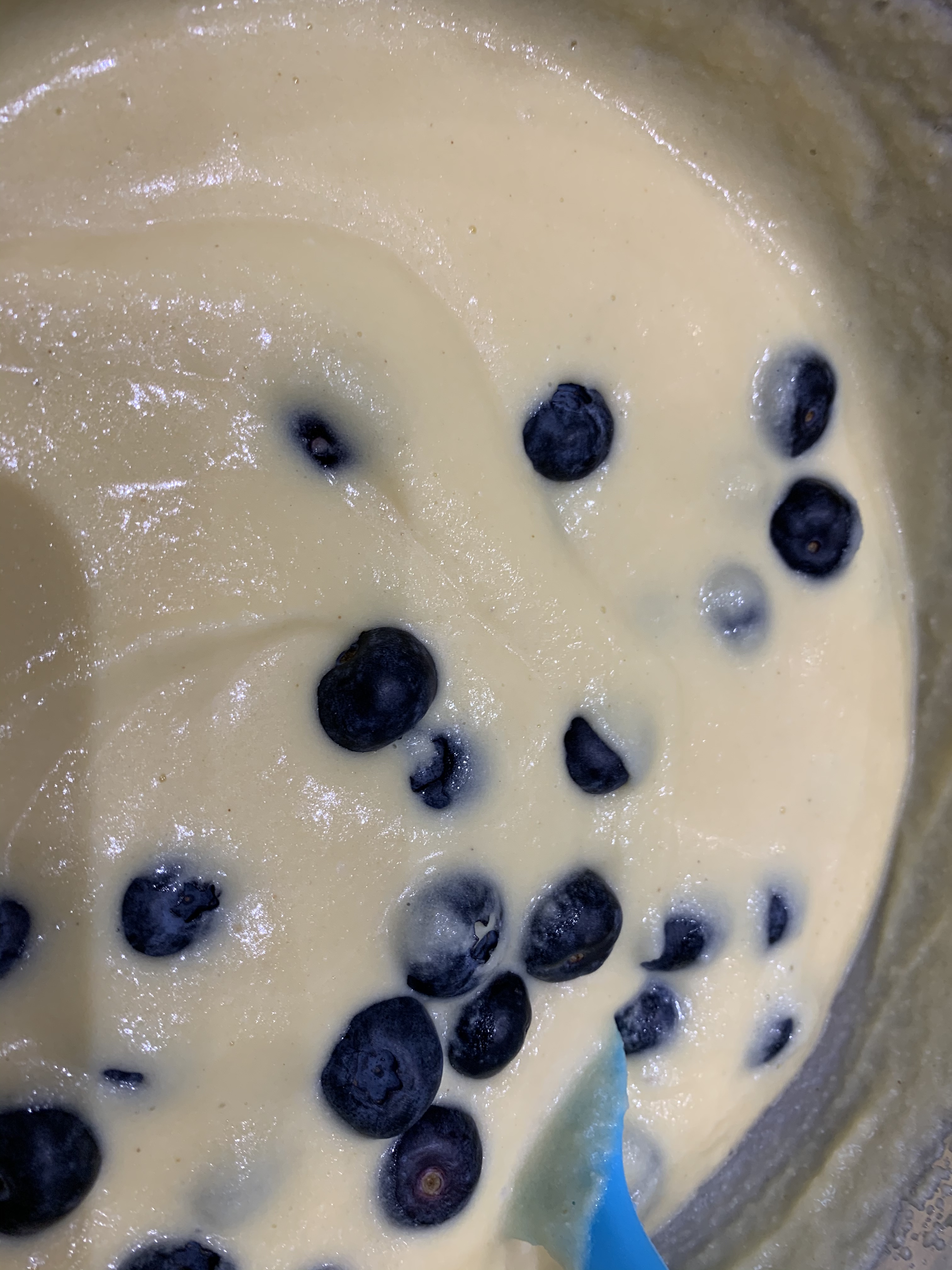
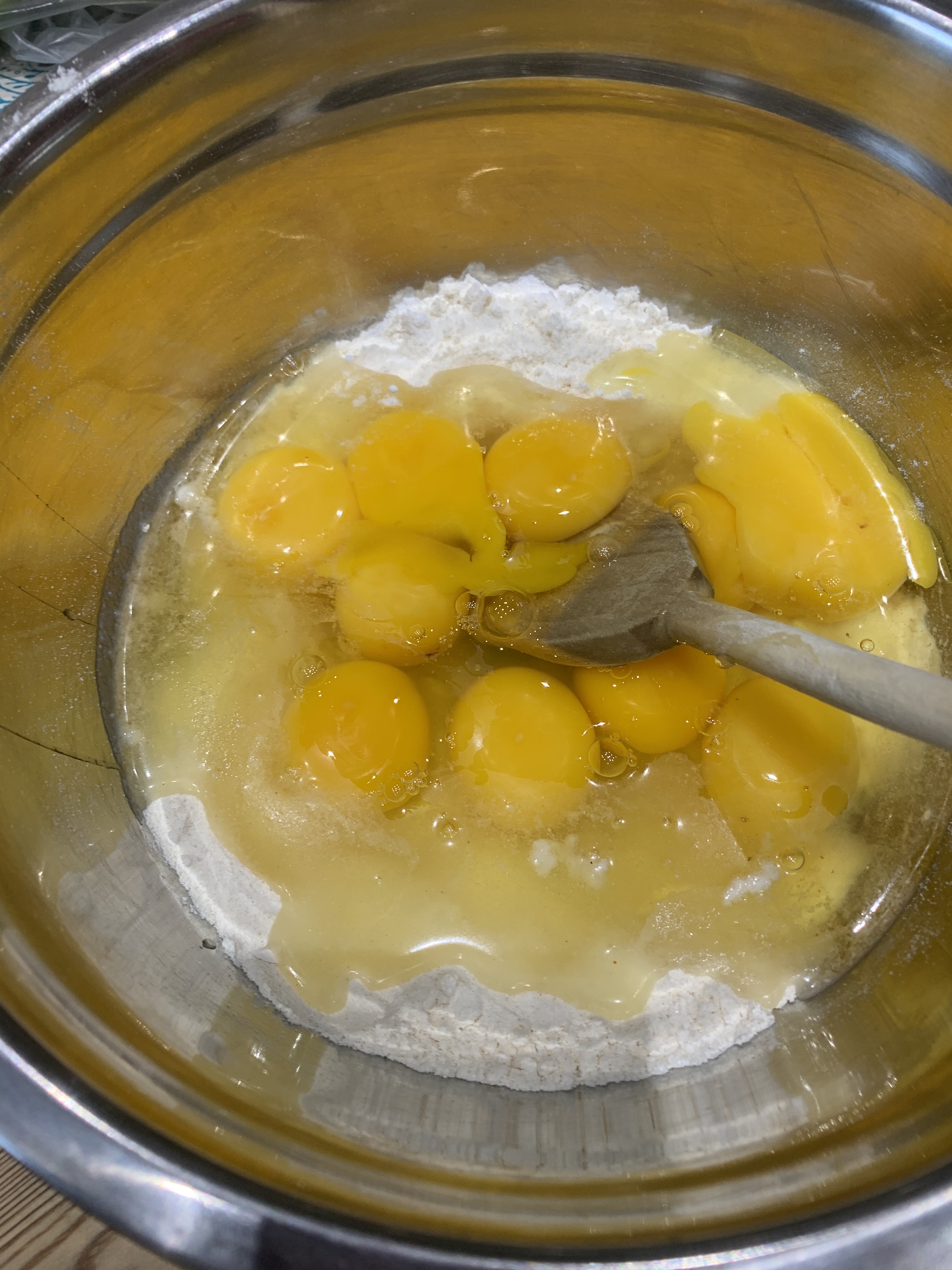
  • Make a well in the centre of the dry ingredients, gradually whisk in the wet ingredients: eggs, coconut milk, coconut oil and vanilla, until fully incorporated. Then gently fold in the blueberries.
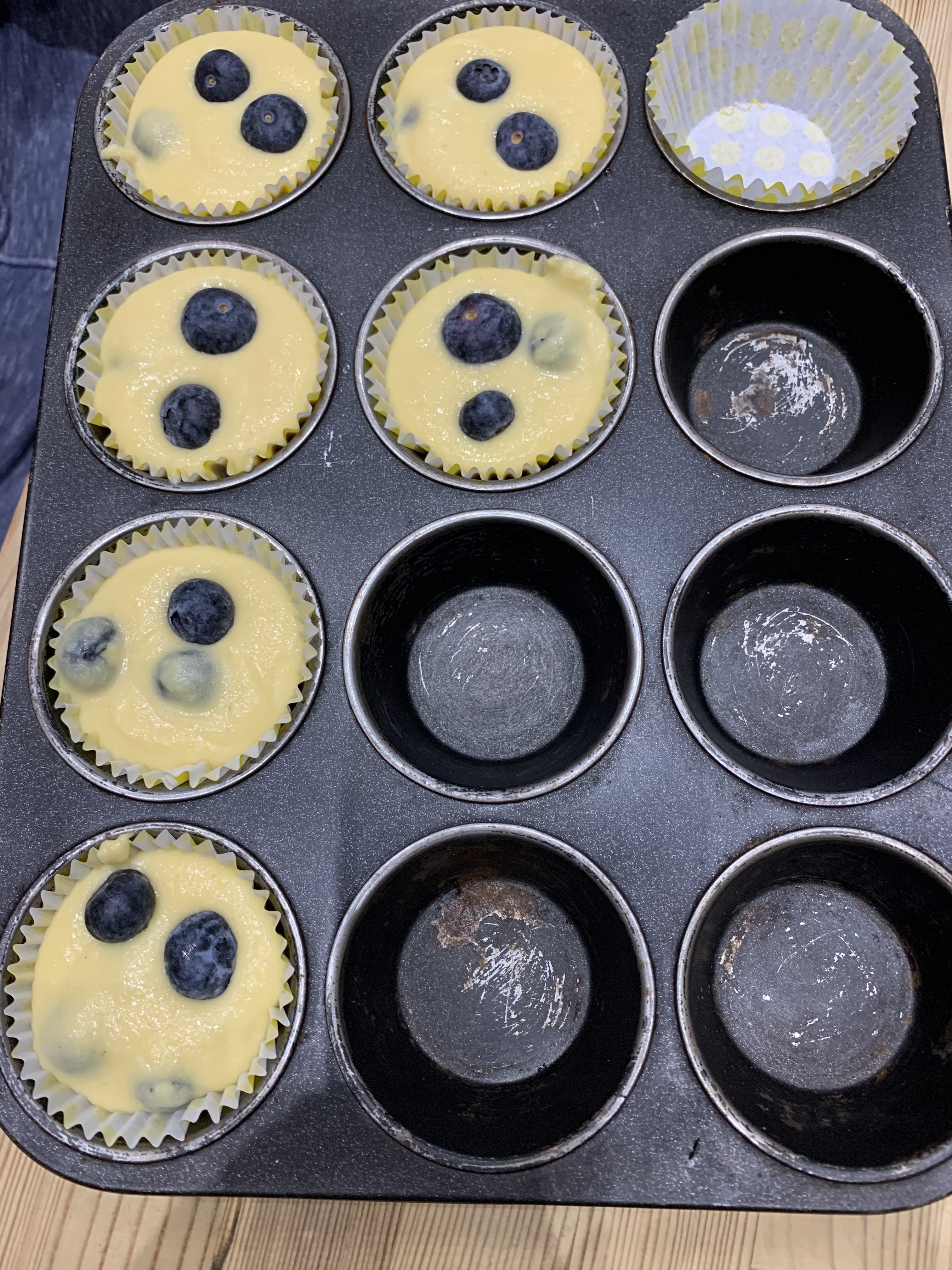
  • Spoon the batter evenly into the muffin cases.
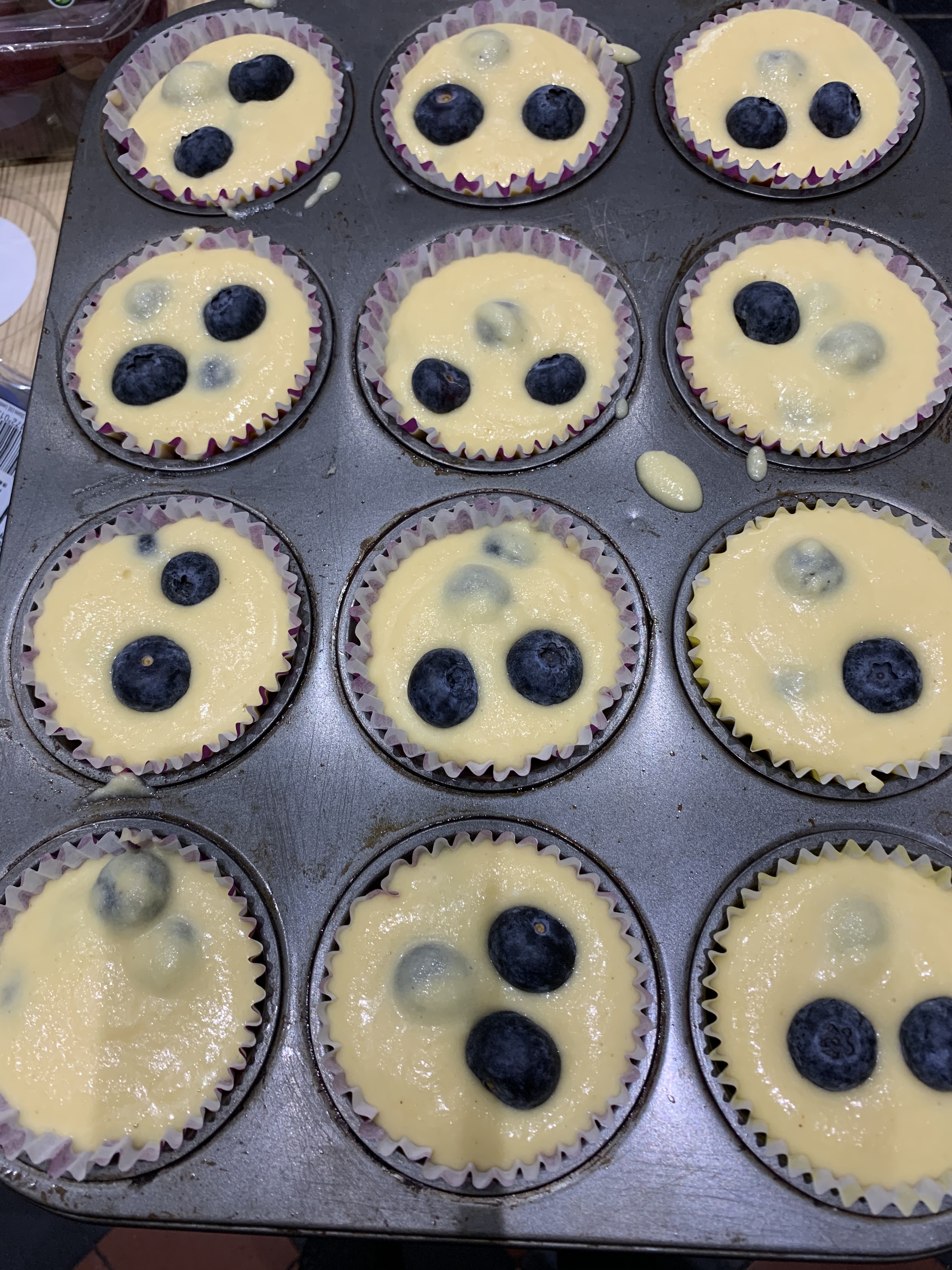
  • Bake for around 20-30 minutes, until an inserted toothpick comes out clean, and the top of the muffin is springy.
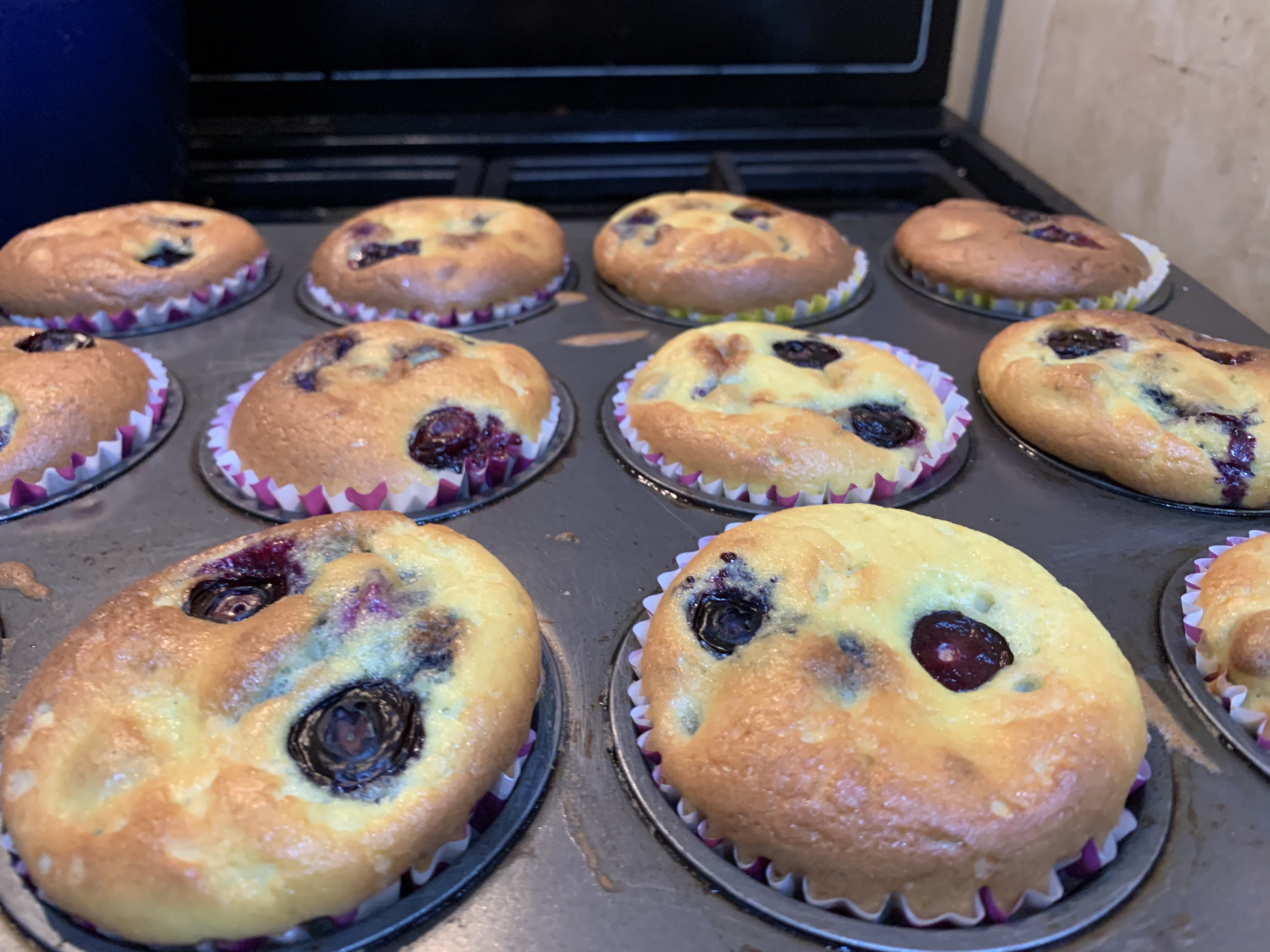
  • Allow the muffins to cool on a cooling rack, and enjoy!!
Vietnamese Chicken Salad (low-carb, gluten-free)

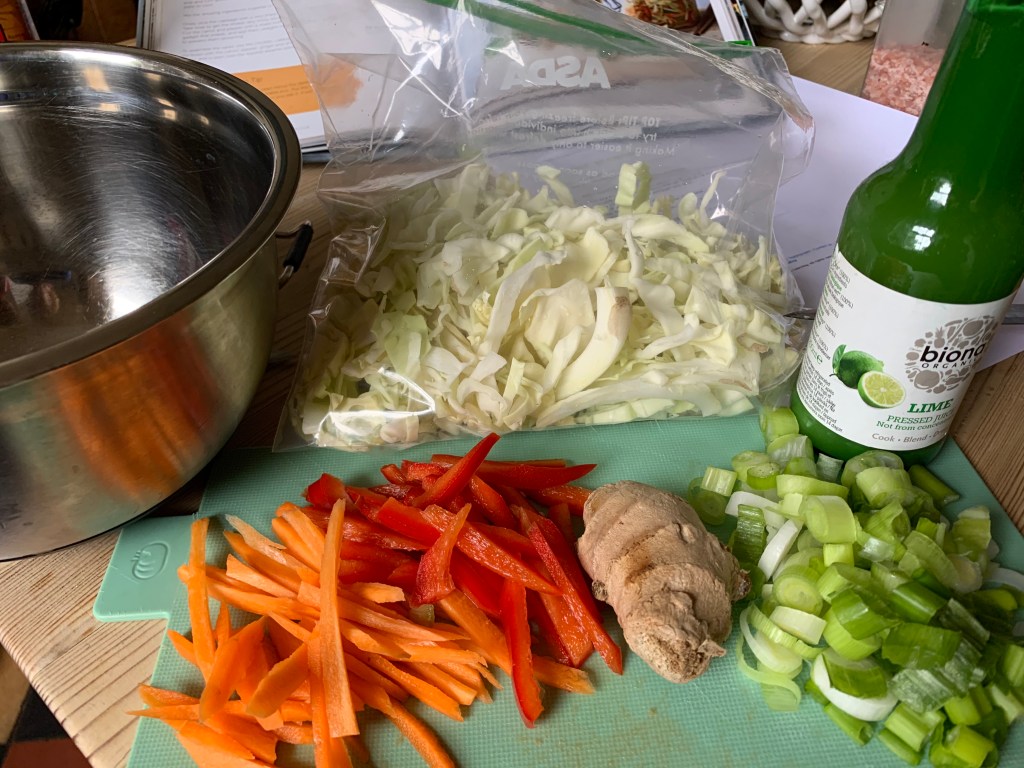
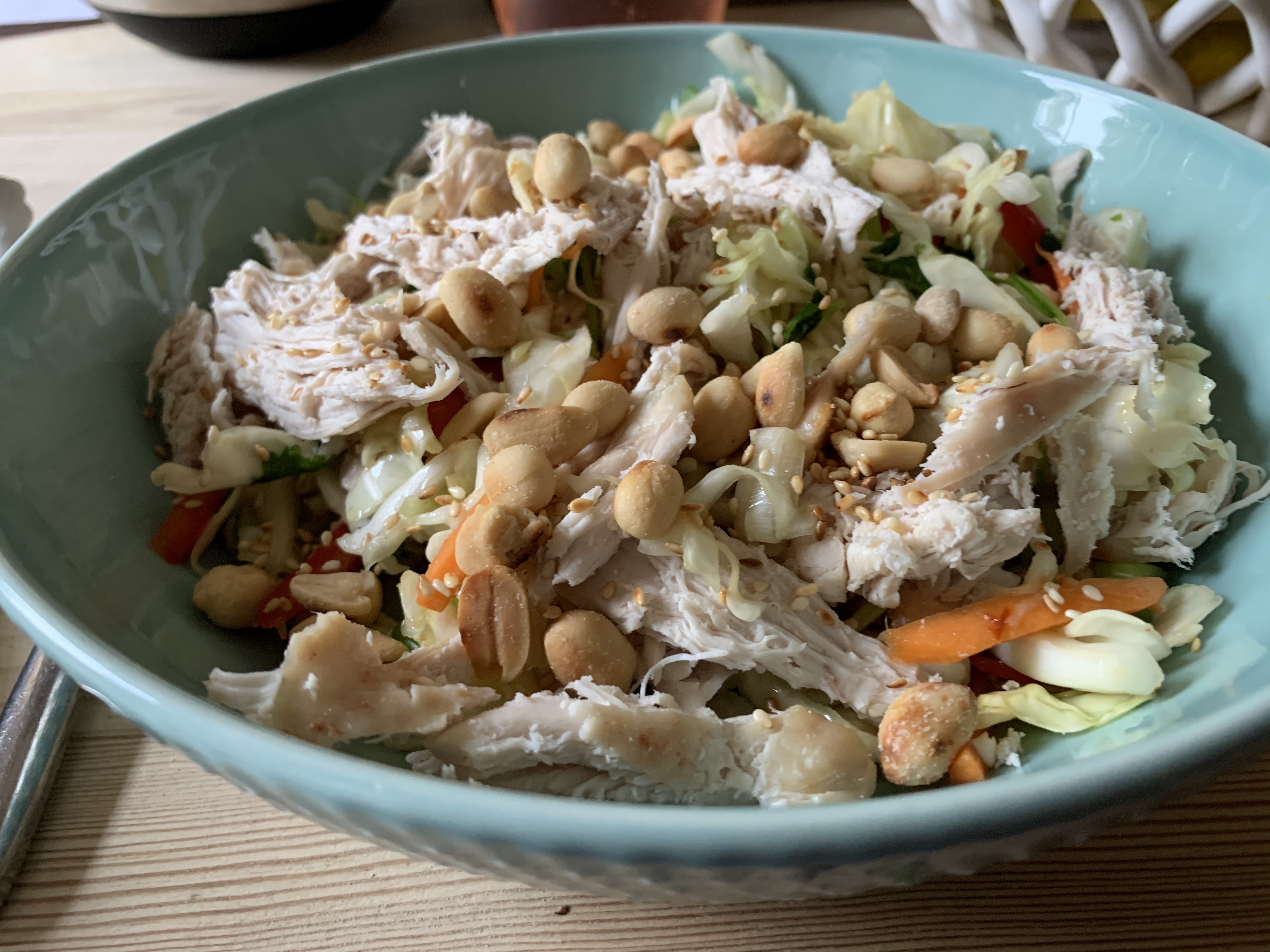
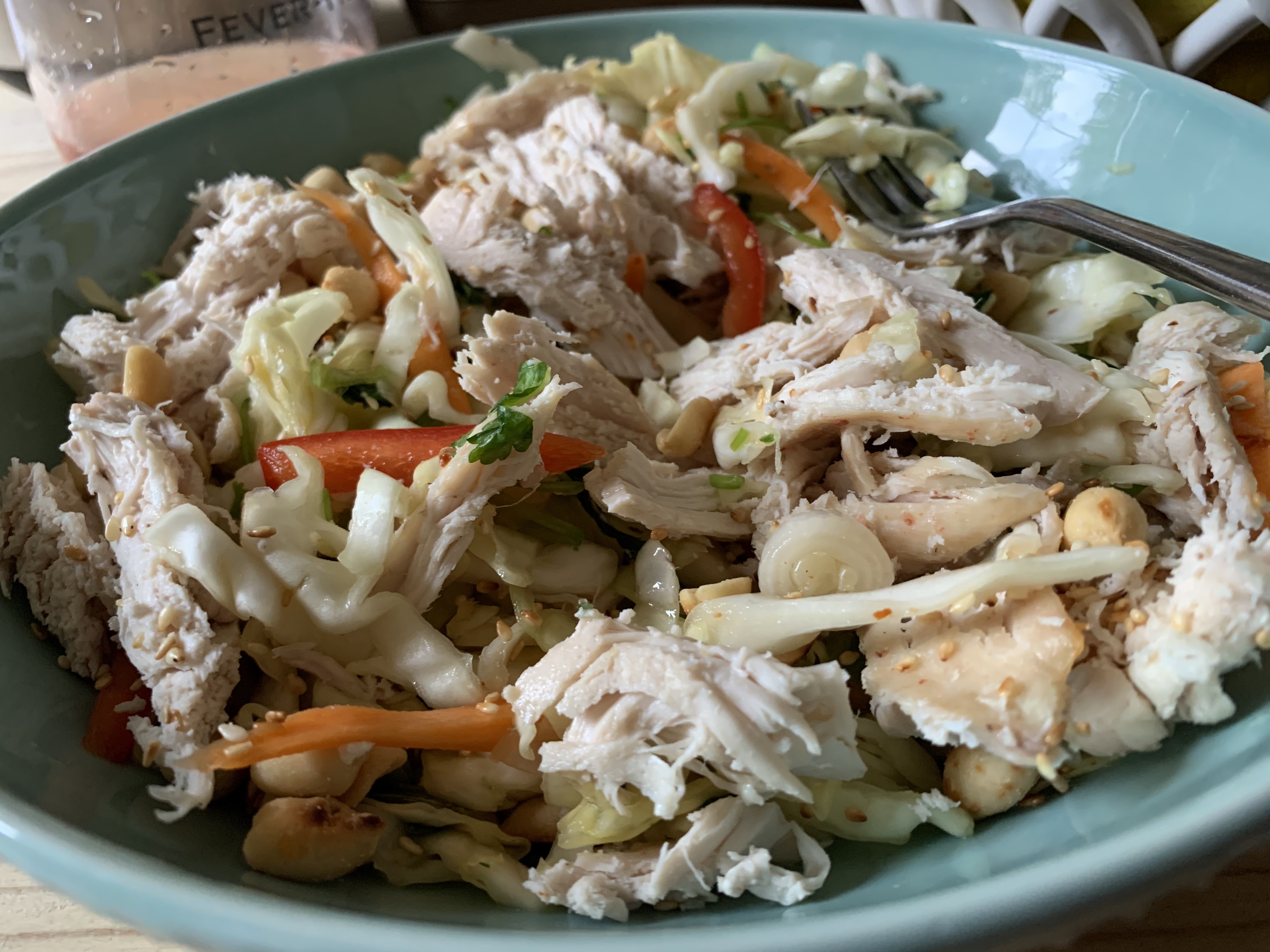
This is a light and flavoursome Asian main meal salad. I made it because we had half a cabbage, pepper, as well as two carrots left in the bottom of the fridge. It turned out to be a very versatile recipe as I’ve made it since as Vietnamese coleslaw! It could be made with sesame baked tofu or fish. The salad has an intense, clean flavour.

The recipe came from The reverse your diabetes cookbook. This is significantly reduced on Amazon and has some great low carb recipes.

Nutrition (per serving): 522 calories, 20g carbs, 8g fibre, 41g protein, 27g fat. Note: Instead of honey, I reduced the net carbs by using Sukrin Gold Fibre Syrup.

Ingredients (serves 2):

  • 3 spring onions
  • 2 boneless, skinless chicken breasts
  • 2 tbsp sesame seeds
  • 150g white or red cabbage
  • 1 small carrot
  • 1/2 red or yellow pepper
  • 50g roasted hazelnuts (I used roasted peanuts)
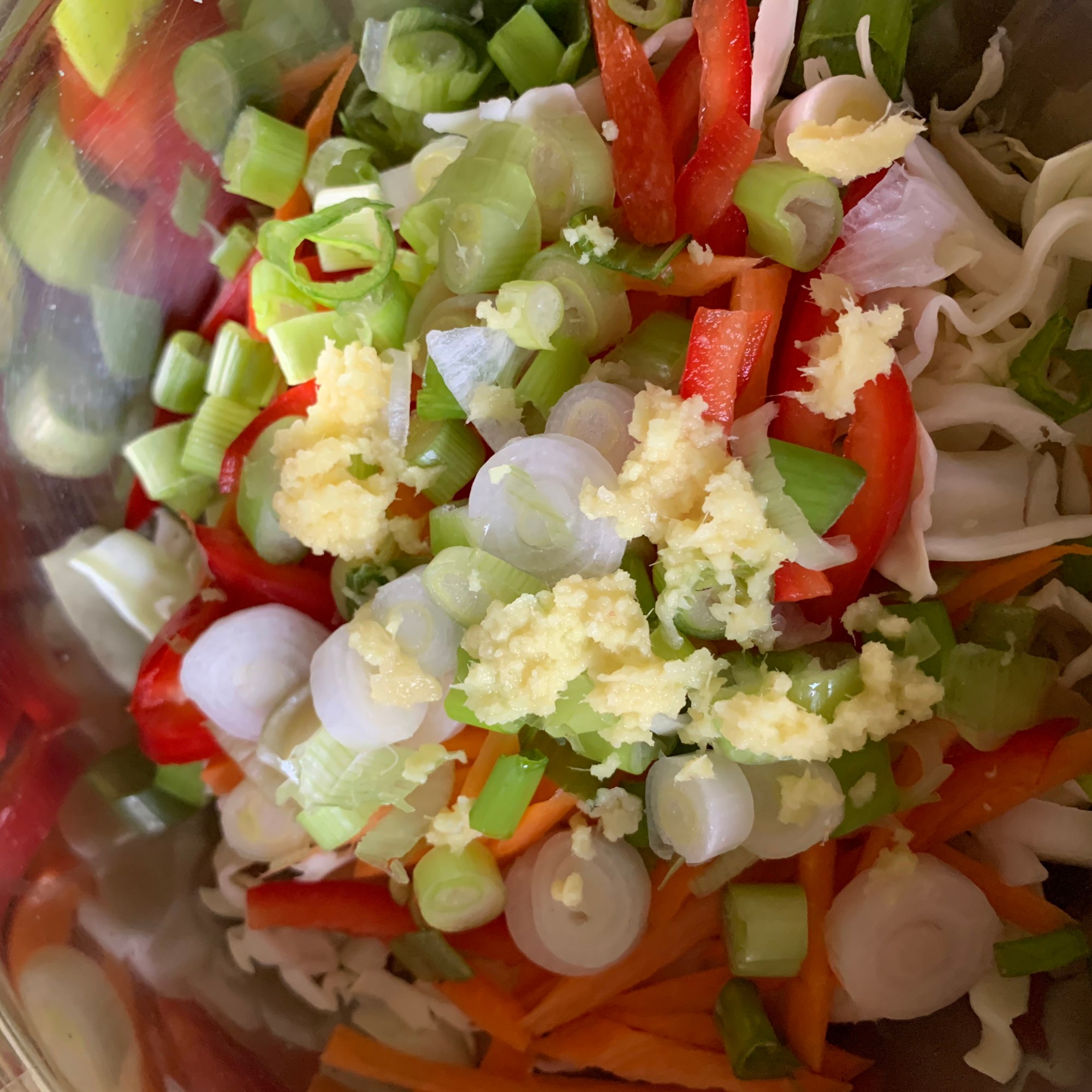
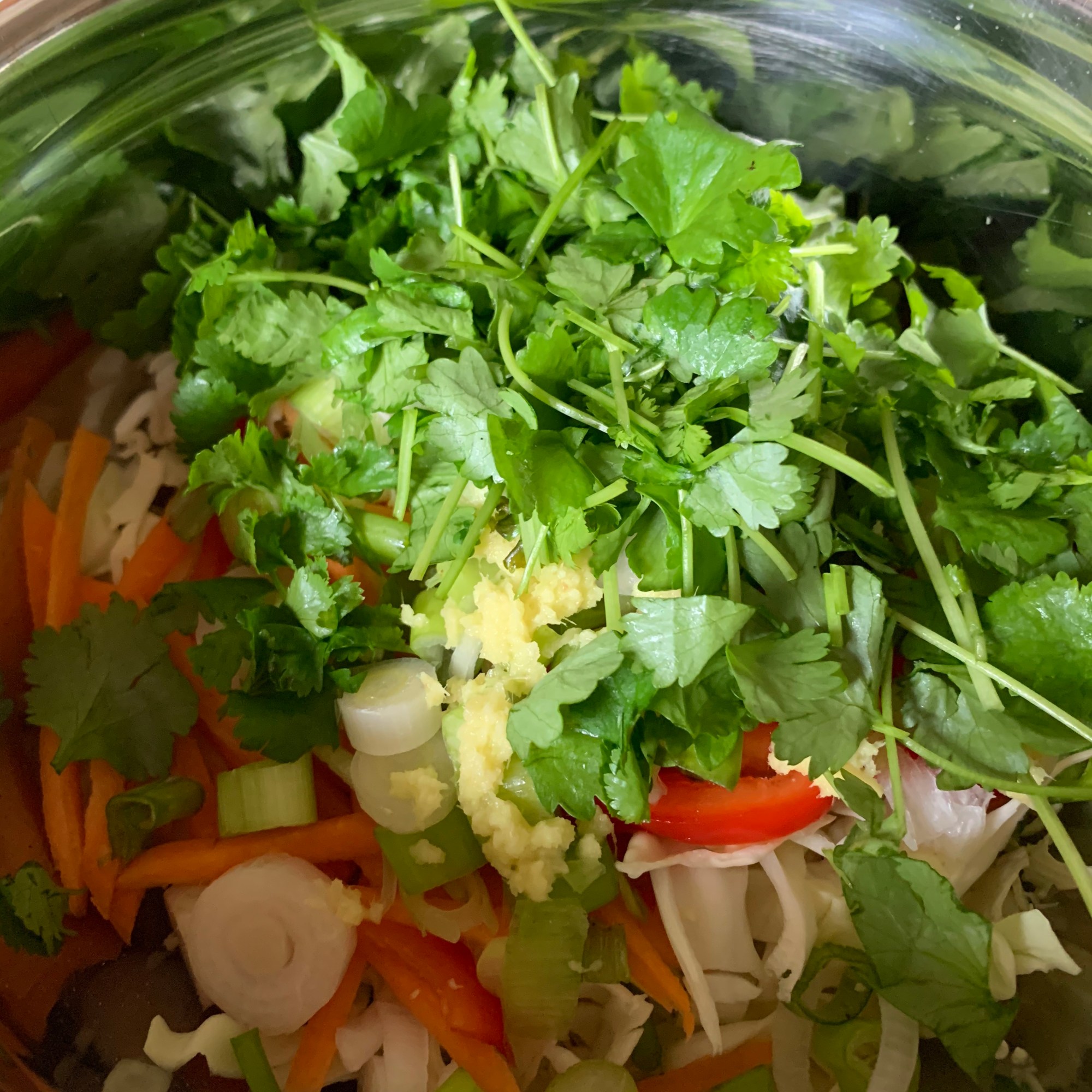
  • a large handful of a mixture of Thai basil, coriander, and mint, leaves roughly torn & stalks finely chopped
  • 1 tbsp ginger, finely grated

For the dressing:

I haven’t included a picture of the ingredients as it’s simple; I just put everything in the blender until smooth

  • juice of 2 limes
  • 4 tbsp Vietnamese fish sauce, or 3 tbsps of nam pla (Thai fish sauce)
  • 3 tbsps rice vinegar
  • 1 tsp honey (I used Sukrin fibre gold keto syrup instead)
  • 1/4-1/2 red or green chilli, finely chopped, or a pinch of chilli flakes (I used the chilli flakes)
  • 1 small garlic clove, finely chopped (optional) (This added to the flavour)

Method:

Soak the spring onions in cold water for 15 minutes, then drain and set aside.

Poach the chicken, in a pan of boiling salted water, for around 15-20 minutes, or until cooked through and no longer pink inside. Leave to cool in the water for around 10 minutes, then drain, and leave to cool completely. (You can also use cold rotisserie chicken for simplicity).

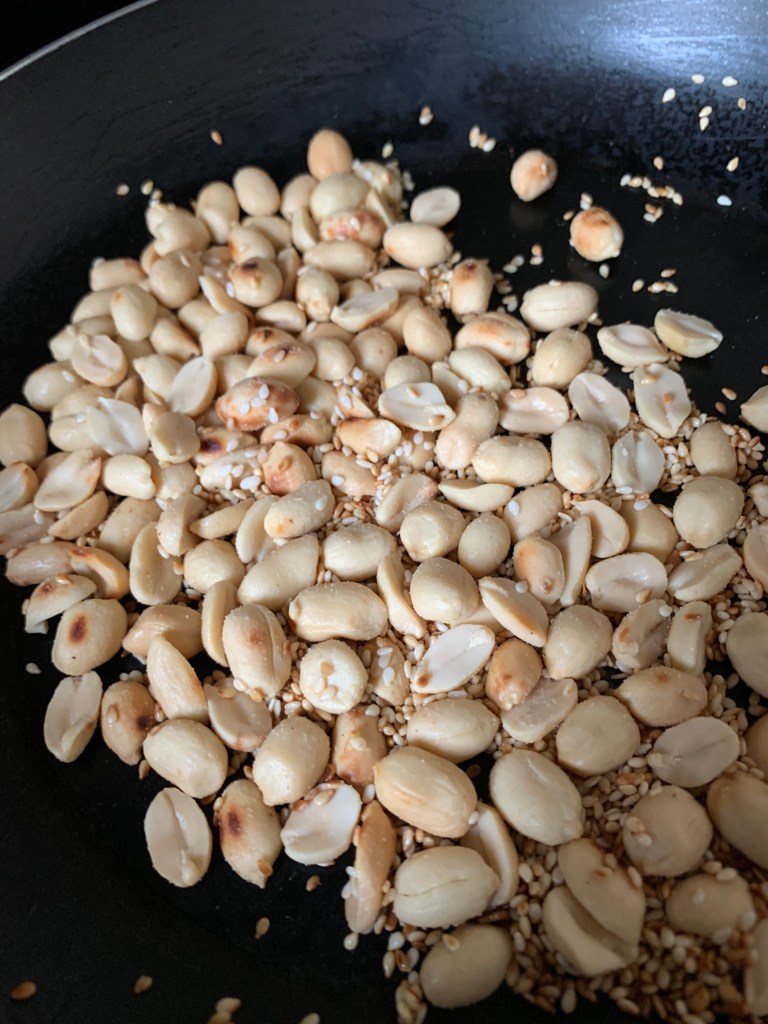
In a dry pan, toast the sesame seeds, until they start to pop and turn golden brown, then remove from the heat and leave to cool. I put the peanuts in at the same time.

In a bowl, mix the dressing ingredients together: lime juice, fish sauce, rice vinegar, honey, chilli, and garlic (optional).

Finely slice the cabbage; and shred the chicken.

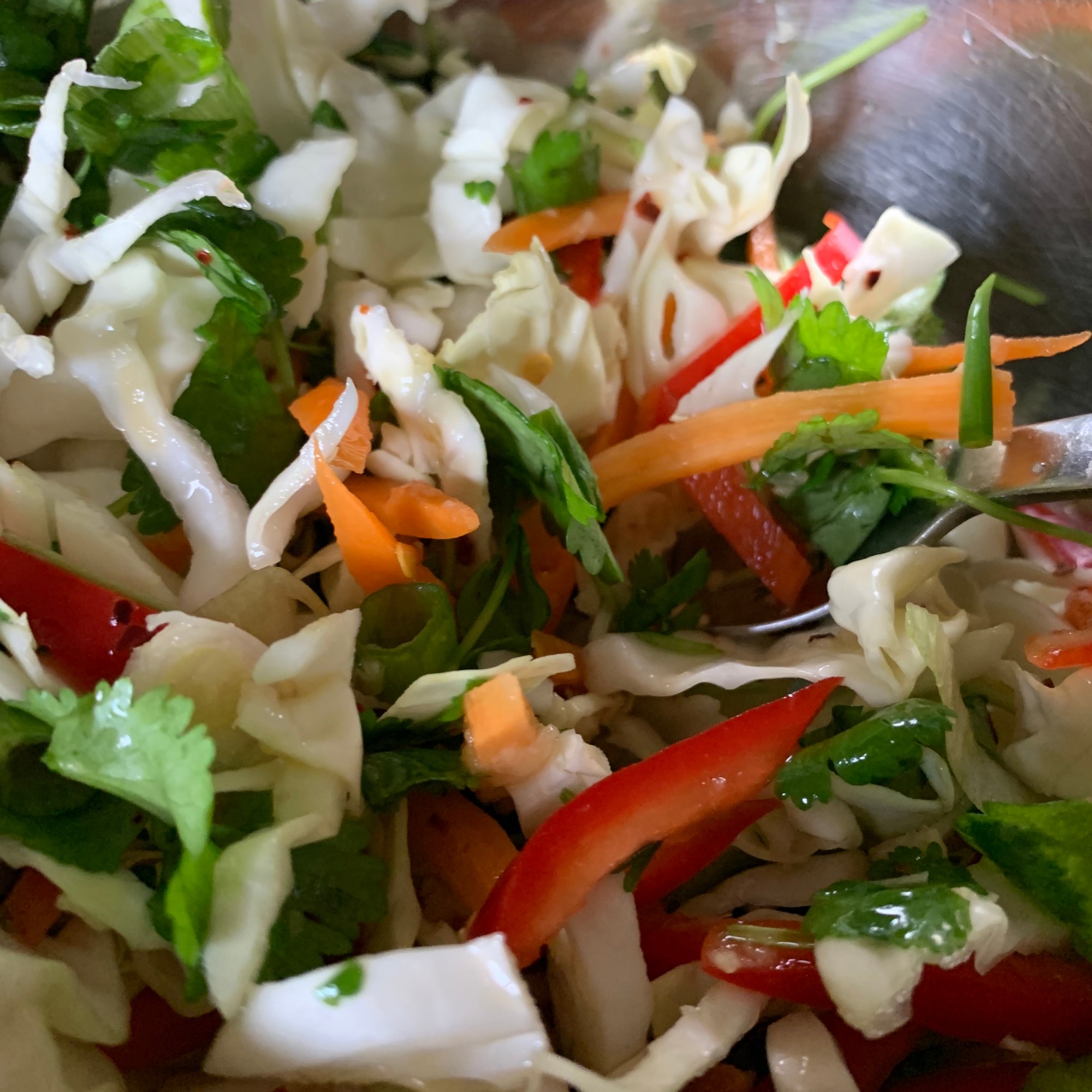
Cut the carrot and pepper into julienne strips, and add them straight into the dressing, to prevent browning.

To assemble the salad, mix the chicken, cabbage, peanuts, ginger and herbs into the dressing bowl.

Arrange on a serving platter and scatter over the toasted sesame seeds.

Enjoy!! Give it a try, and make it your own!

What is Apraxia/Verbal Dyspraxia? – a brief introduction

I’ve agreed with Joanna Bendel, an apraxia of speech advocate based in US, to work on raising awareness of speech apraxia/developmental verbal dyspraxia via social media. This is the first of a series of posts.

In particular, in the UK there is less awareness about this particular speech disorder and I’ve found that not many people know about it.

What is apraxia of speech/verbal dyspraxia?

Apraxia of speech (AOS)—also known as acquired apraxia of speech, verbal apraxia, or childhood apraxia of speech (CAS) when diagnosed in children—is a speech sound disorder. In the UK it can be referred to as verbal dyspraxia or developmental verbal dyspraxia (DVD).

AOS/DVD is a neurological disorder that affects the brain pathways involved in planning the sequence of movements involved in producing speech. In other words, someone with AOS/DVD has trouble saying what he or she wants to say correctly and consistently.

In a nutshell, the individual knows what he/she wants to say but cannot properly plan and sequence the required speech sound movements.

Apraxia/Verbal Dyspraxia is defined as an inability to execute a voluntary movement, despite being able to demonstrate normal muscle function.

AOS/DVD is not caused by weakness or paralysis of the speech muscles (the muscles of the jaw, tongue, or lips). Weakness or paralysis of the speech muscles results in a separate speech disorder, known as dysarthria. Some people may have both dysarthria and AOS, which can make diagnosis of the two conditions more difficult.

The severity of AOS/DVD varies from person to person. It can be so mild that it causes trouble with only a few speech sounds or with pronunciation of words that have many syllables. In the most severe cases, someone with AOS/DVD might not be able to communicate effectively by speaking and may need the help of alternative communication methods, such as a communication aid.

References:

National Institute on Deafness and Other Communication Disorders

Dyspraxia Foundation

Best Keto Brownies (keto, gluten-free, lactose-free, low-carb)

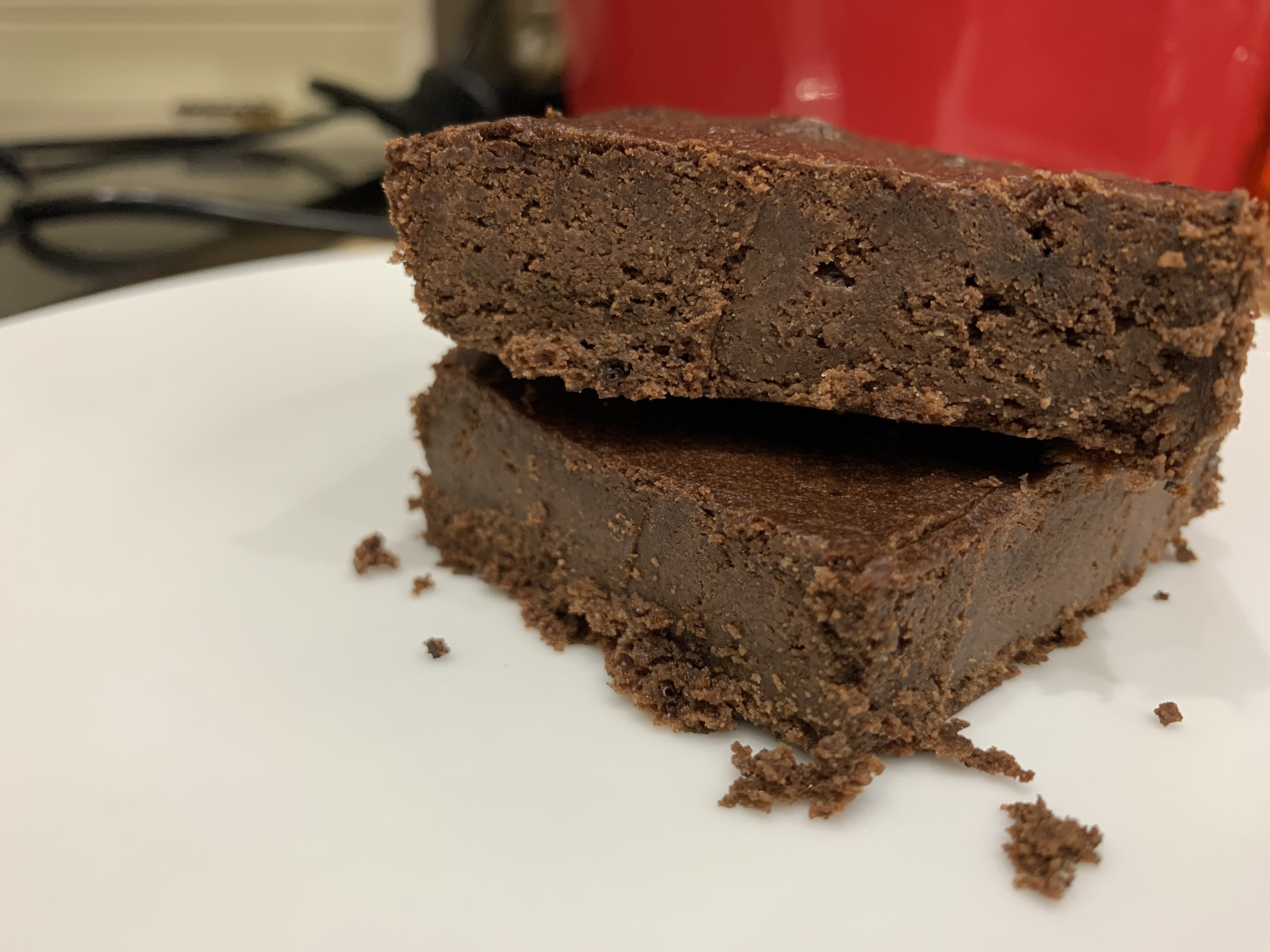
These are the best brownies that I’ve ever had. The texture is excellent, like fudge but not squelchy! I enjoyed them more than typical brownies as they are smooth with a great taste and a satisfying mouth-feel. I would certainly make them again. You will find the original recipe here. Try them as I think you might be surprised at how good they are.

Nutrition for 1 brownie (listed on the original recipe): | Calories: 116kcal | Carbohydrates: 3g | Protein: 2g | Fat: 11g | Saturated Fat: 5g| Fibre: 1g | Sugar: 1g 

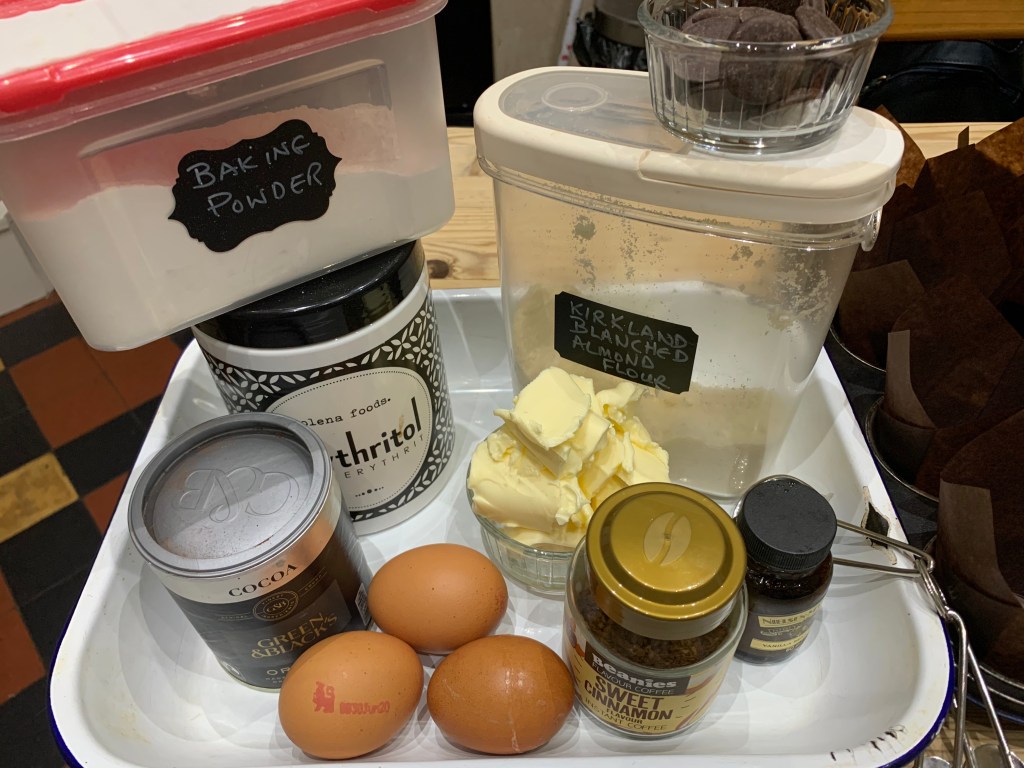
Ingredients

  • 1/2 cup almond flour
  • 1/4 cup cocoa powder
  • 3/4 cup erythritol
  • 1/2 tsp baking powder
  • 1 tablespoon instant coffee optional (I used this and it adds depth of flavour)
  • 10 tablespoons butter (or 1/2 cup + 2 Tbsp) (I used a lactose-free butter)
  • 2 oz dark chocolate
  • 3 eggs at room temperature
  • ½ teaspoon vanilla extract optional (I would recommend using this).

Method

  • Preheat oven to 350 degrees F (175C/155C fan-assisted). 
  • Line an 8×8 inch or 8×9 pan with parchment paper, aluminium foil or grease with butter. (It’s easier to get the brownies out if you line the tin; I used baking parchment)
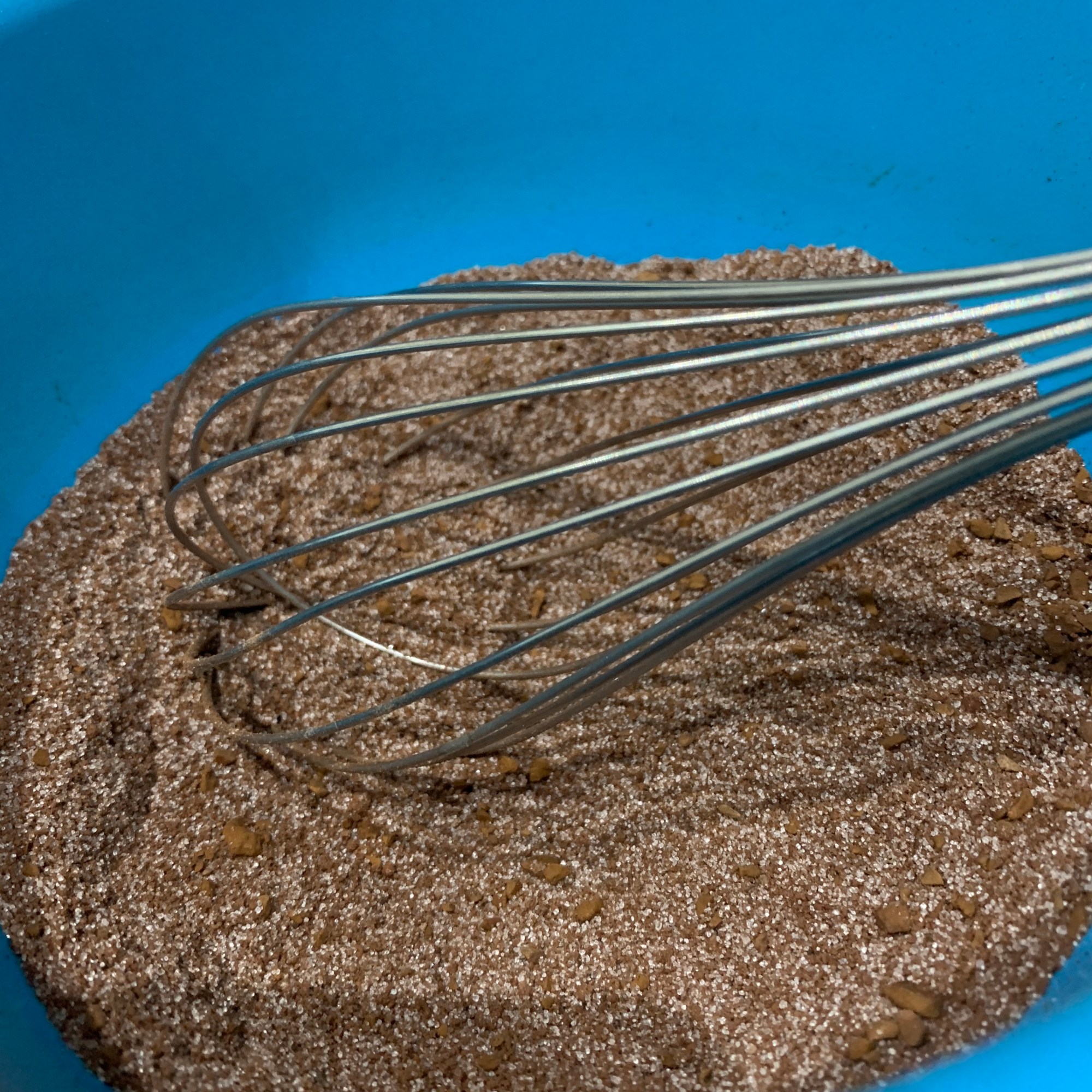
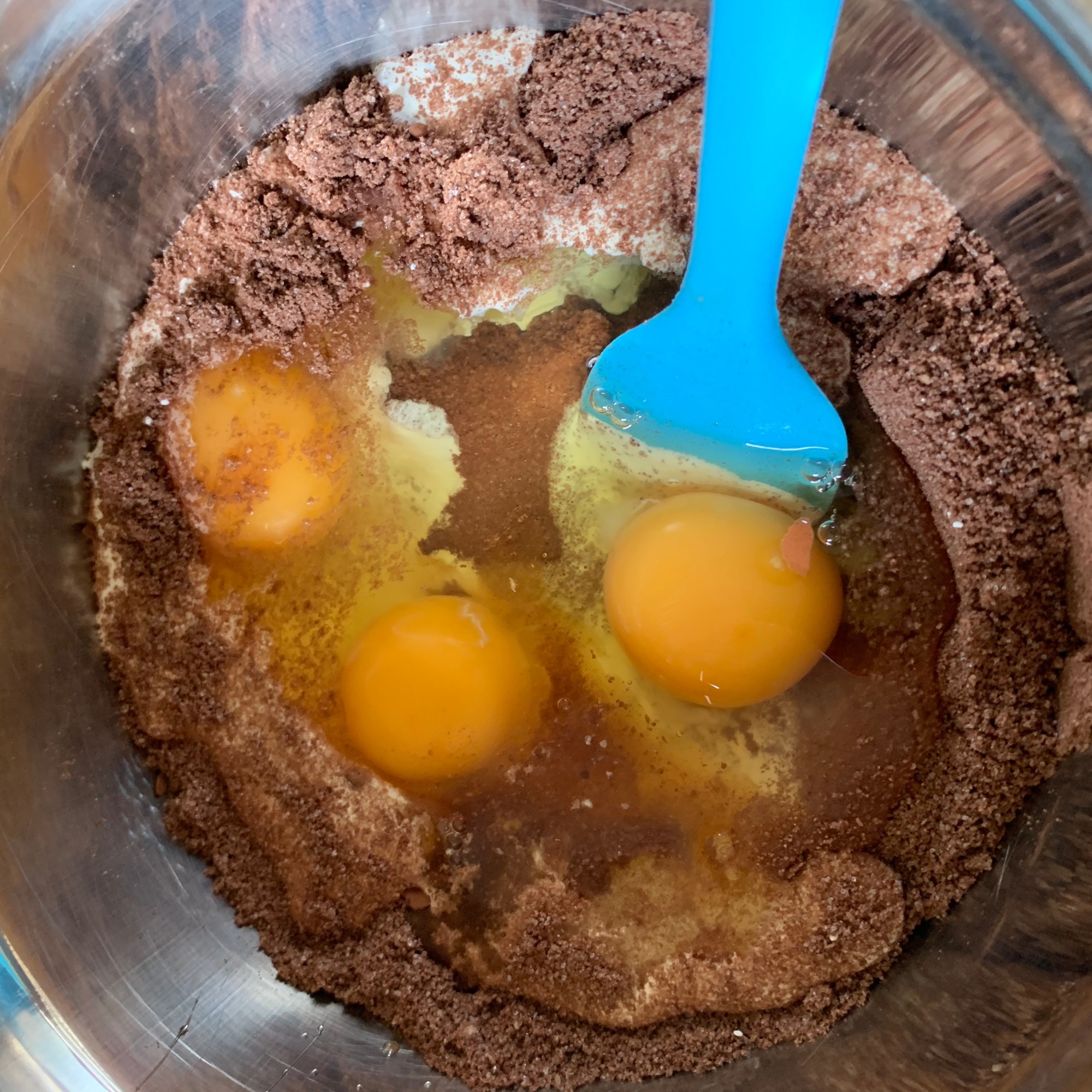
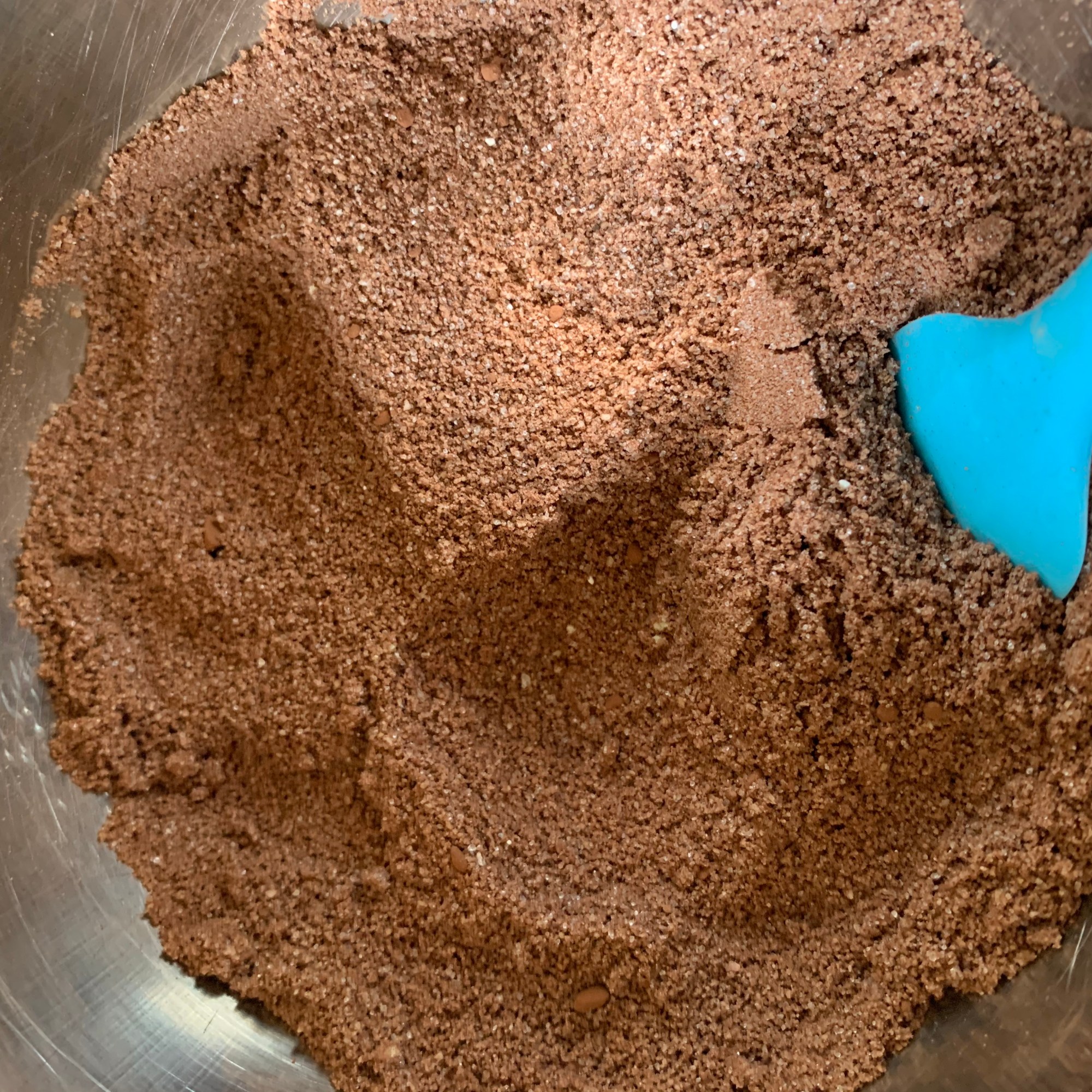
  • In a medium mixing bowl, whisk almond flour, cocoa powder, baking powder, erythritol, and instant coffee. Make sure you whisk if fully so there are no lumps.
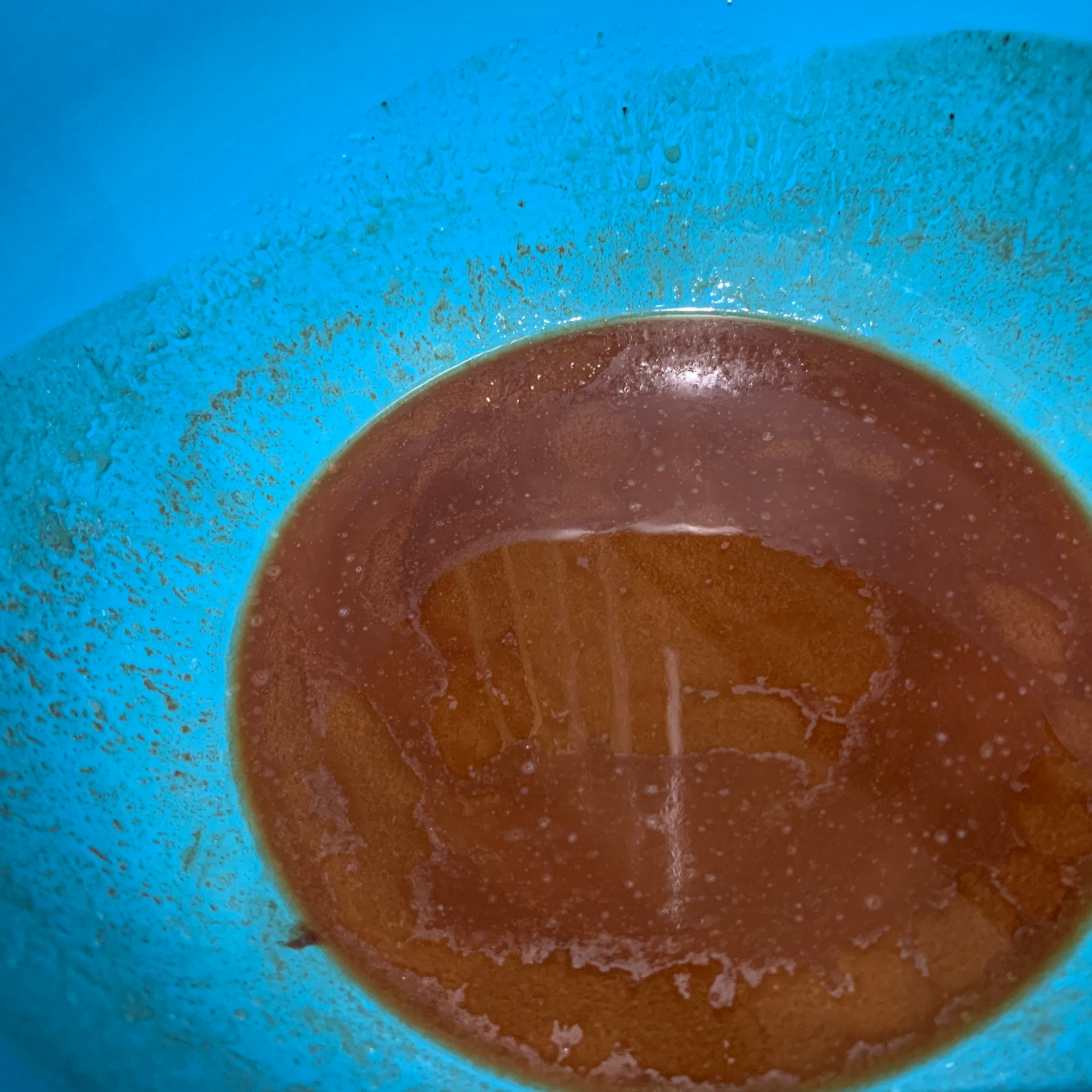
  • In a large microwave-safe mixing bowl, Melt butter and chocolate for 30 seconds to 1 minute or until just melted.
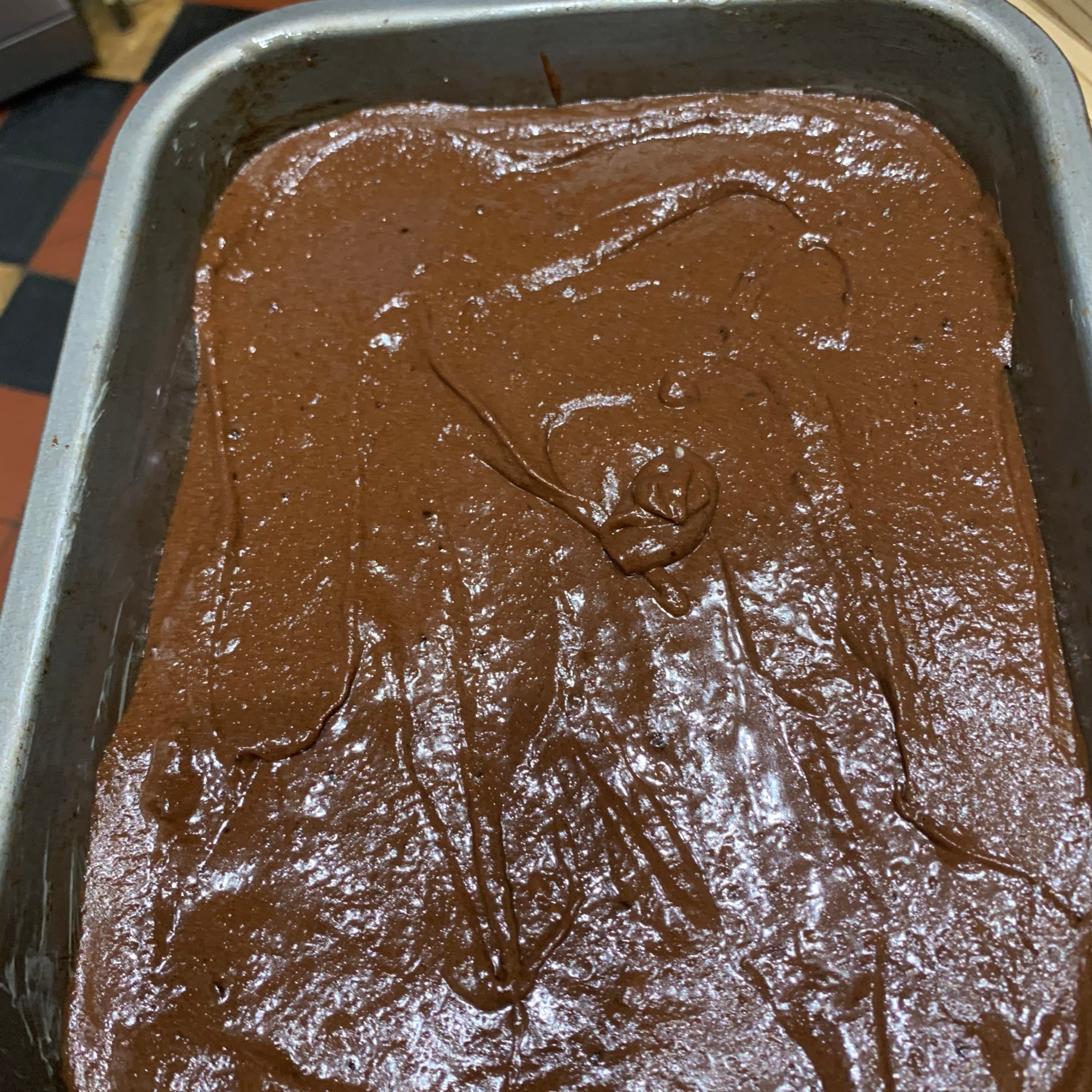
  • Whisk in the eggs and vanilla; then gently whisk in the dry ingredients just until mixed through. Don’t over-mix the batter or it will be less fudgy!
  • Transfer the batter into your prepared baking dish; bake for 18-20 minutes or until a toothpick inserted comes out moist. It firms up slightly as it cools.
  • Cool for at least 30 mins to 2 hours in the fridge and slice into 16 small squares. 
  • I stored the brownies in an airtight container, in the fridge.
  • Enjoy!!

Notes on the original recipe suggesting substitutes or additions:

  • Sweetener substitutes: replace Erythritol Sweetener with a 1:1 ratio of  Powdered Swerve, powdered Xylitol or Lakanto Monkfruit sweetener. 
  • Flour substitutes: replace almond flour with 2 tablespoons coconut flour if desired. 
  • Optional Add-ins: Stir in 1/2 cup chopped chocolate, chocolate chips or nuts of choice into the batter after it is completely mixed through.
  • Do not overbake the batter. If the batter looks jiggly, remove it from the oven after 25 minutes and it will set at room temperature. It is normal to see butter pooling on top of the brownies. 

Keto chocolate cake (keto, low-carb, gluten-free, dairy-free)

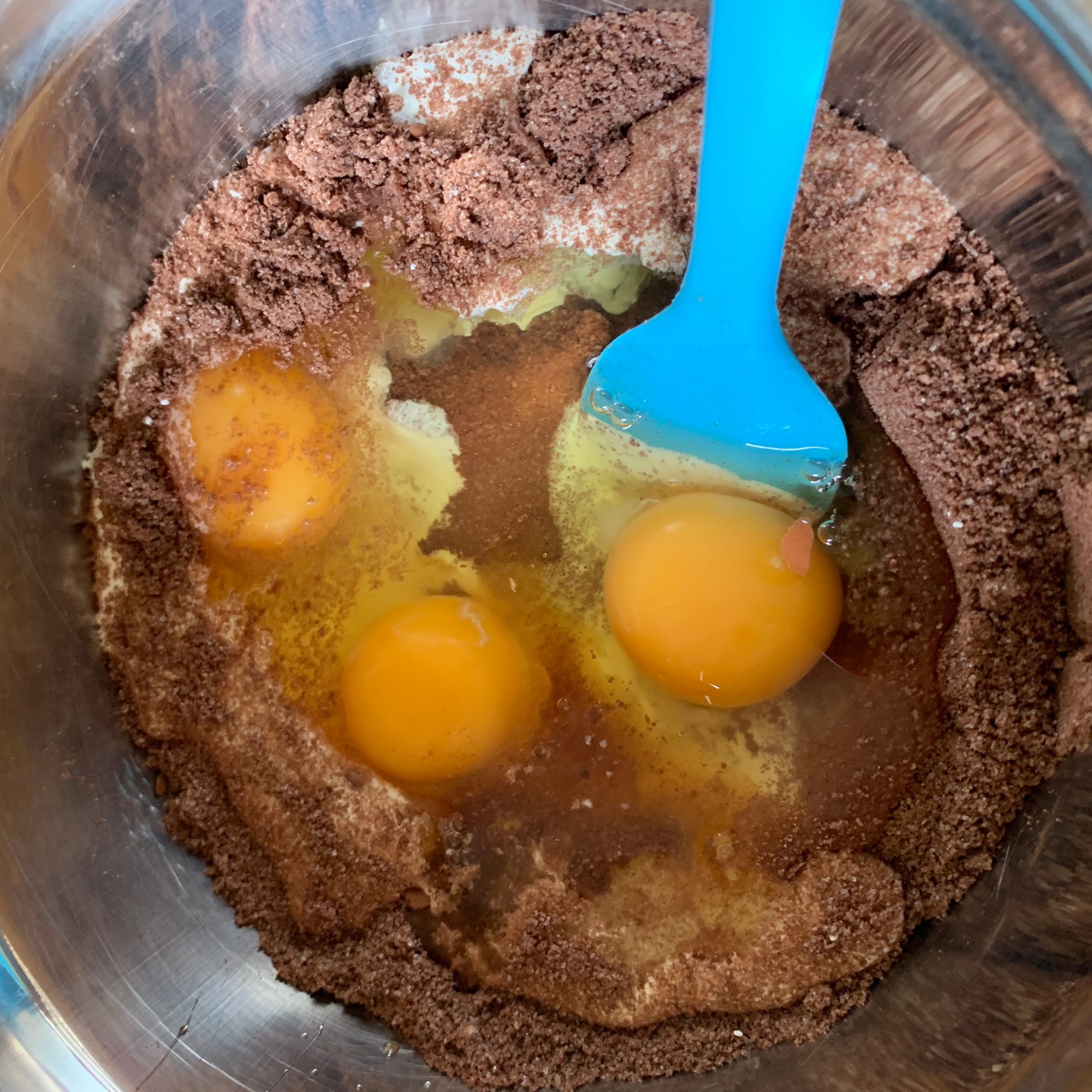
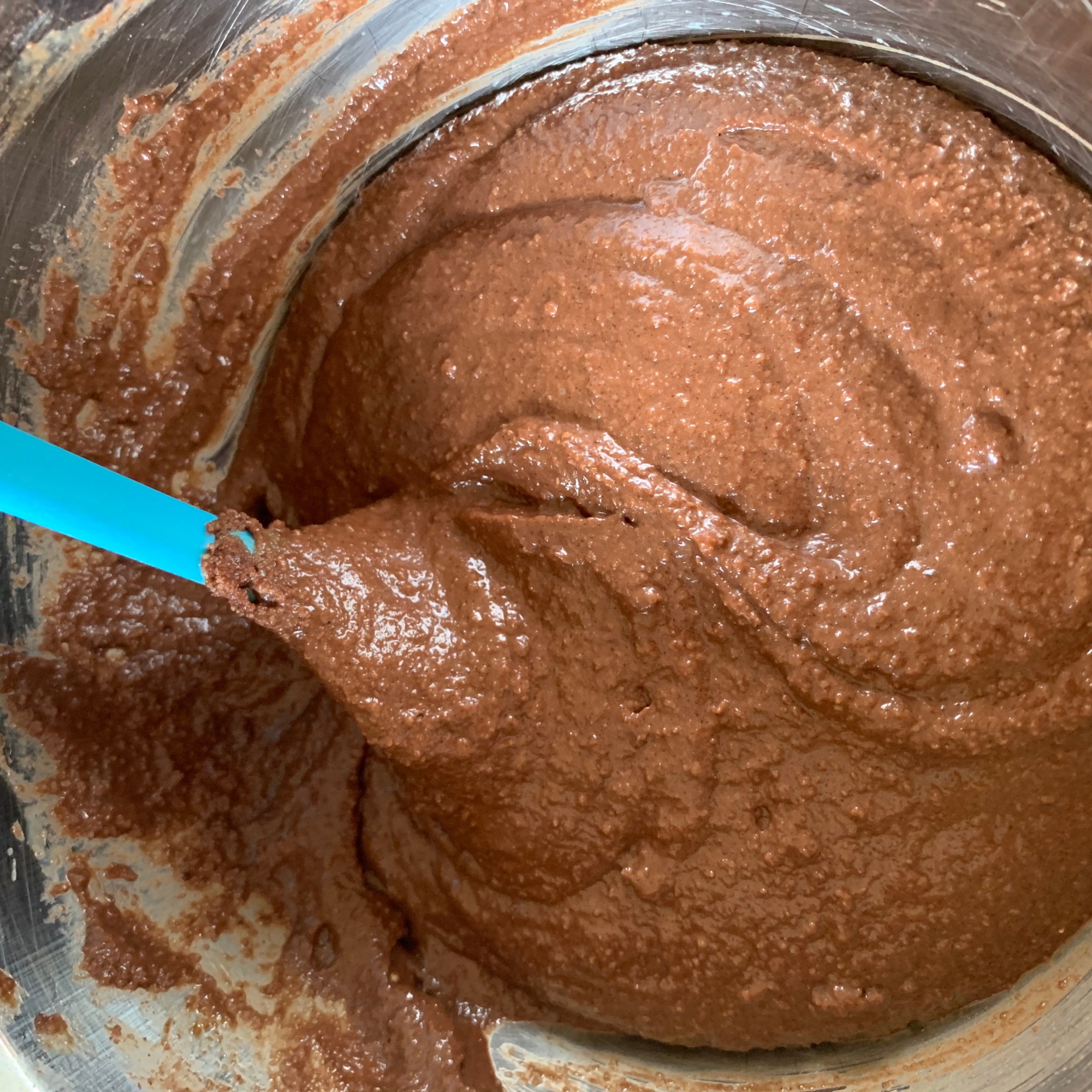
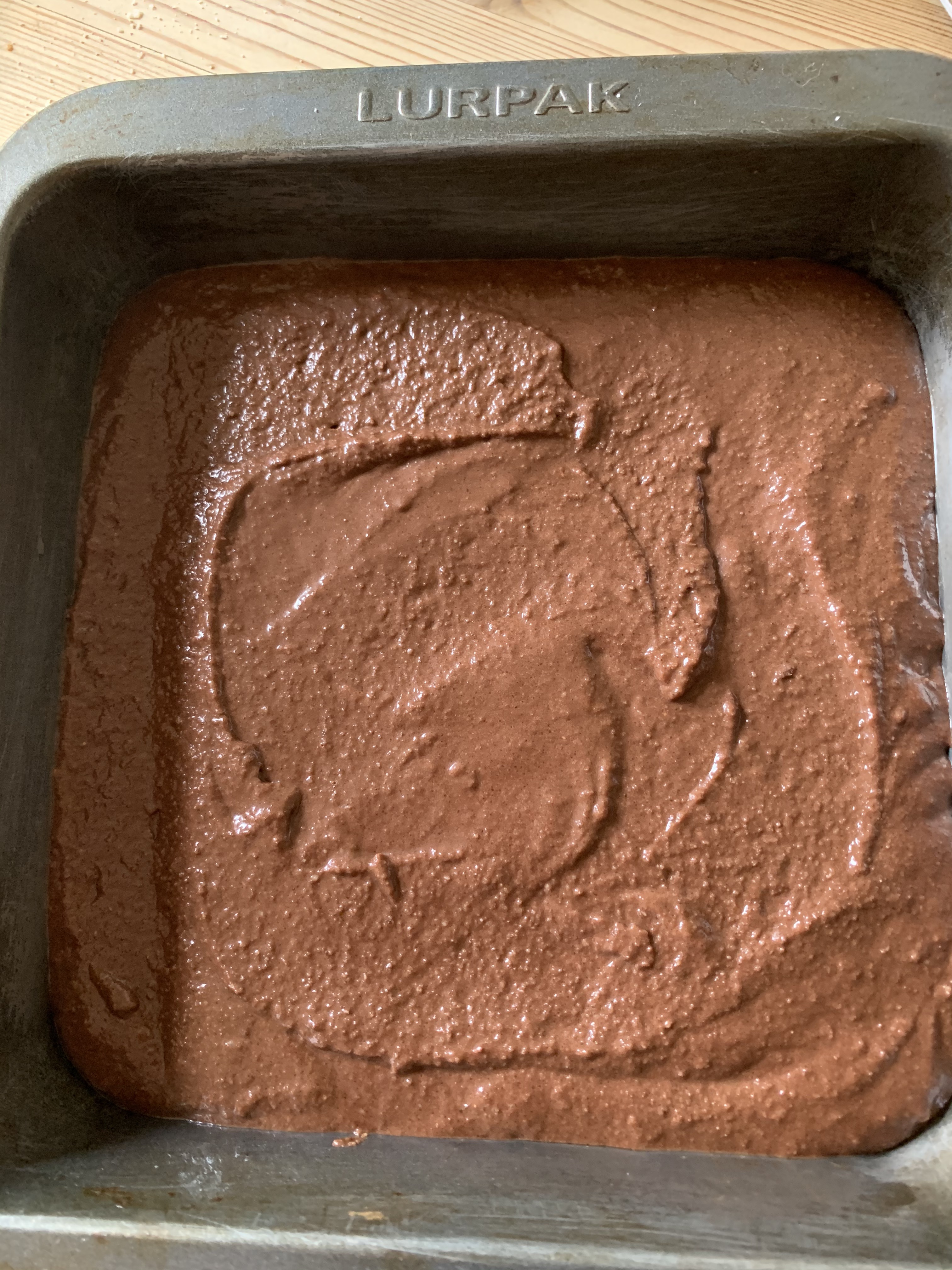
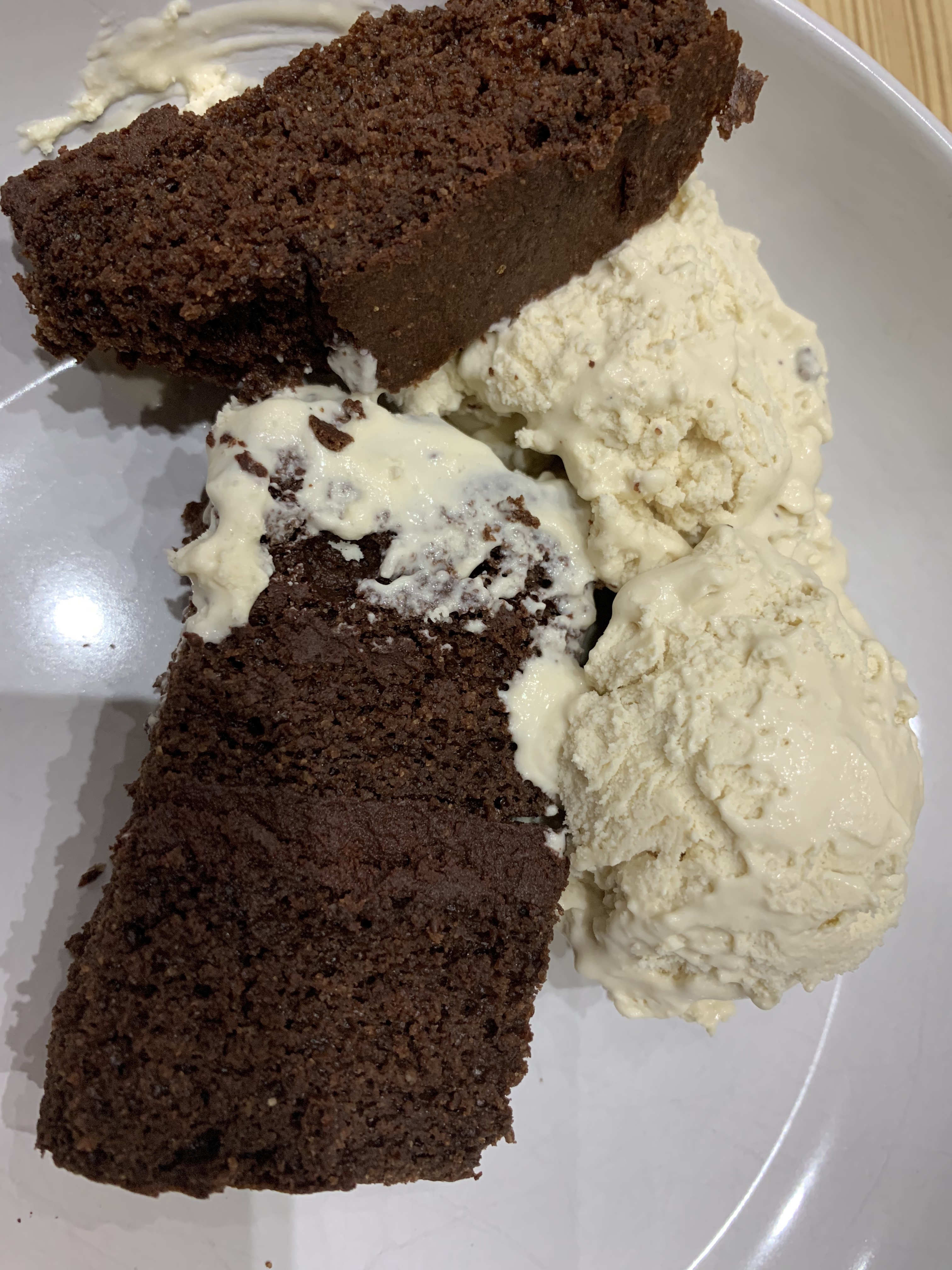
Initially, I thought this recipe wouldn’t work because it doesn’t contain butter. In fact, it is very light and a surprisingly good texture. I tried the cake first without ganache and with the homemade vanilla ice-cream, and I much preferred it this way. The ganache was too dark in flavour for me but other family members loved it. It would probably be less dark made with all Lily’s sugar-free dark chocolate chips but these are expensive in UK. The original recipe filled the cake with chocolate frosting rather than the ganache I used. The cake was excellent and you can find a vegan version attached to the original recipe..

Nutrition (Based on 8 slices of cake; it doesn’t include the ganache): Calories: 130, Total Fat: 9g, Saturated Fat: 0.9g, Total Carb: 6g, Net Carbs: 2.7g, Sugars: 0.2g

Ingredients:

  • 1 1/2 cups fine almond flour
  • 1/4 cup cocoa powder
  • 2 tbsp dutch cocoa or additional regular
  • 2 1/4 tsp baking powder
  • 1/2 tsp salt
  • 1/3 cup water or milk of choice (I used coconut milk)
  • 3 eggs 
  • 1/3 cup granulated erythritol or regular sugar (I used erythritol)
  • 1 1/2 tsp pure vanilla extract

Note: For a double layer cake, simply double the recipe and bake in two 8-inch pans.

Method:

Preheat oven to 350 F.

Grease your cake tin, and line with grease-proof paper.

In a bowl combine all dry ingredients: almond flour, cocoa powder, baking powder, salt, and sweetener. Mix until combined.

Then add the wet ingredients: water or milk, vanilla extract, and eggs. Mix together until all ingredients are thoroughly combined.

Add the mixture to the cake tin, if needed use some grease-proof paper to smooth it down.

Bake for around 14 minutes, or until firm. Let the cake cool completely, and then add any toppings you want such as icing. I made a quick chocolate ganache! (see recipe below)

Enjoy!!

Chocolate Ganache

This recipe is a 2 ingredient ganache!

Nutrition: calories: 80kcal, fat: 8g, saturated fat: 4g 

Ingredients:

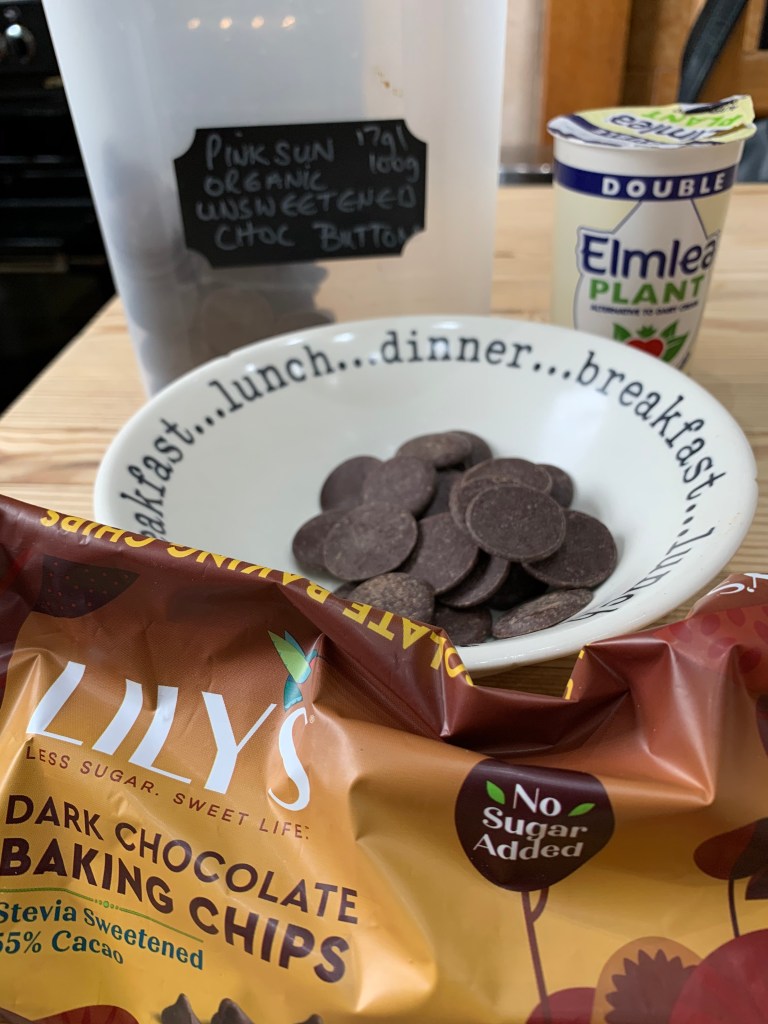
  • 250g (8 oz) good quality dark chocolate (I used a mixture of sugar-free dark chocolate buttons and Lily’s dark chocolate chips)
  • 1/2 cup double cream (I used a plant-based double cream)

Less is more when decorating, as its quite a dark flavour!

Method:

Heat a large pan of water until simmer.

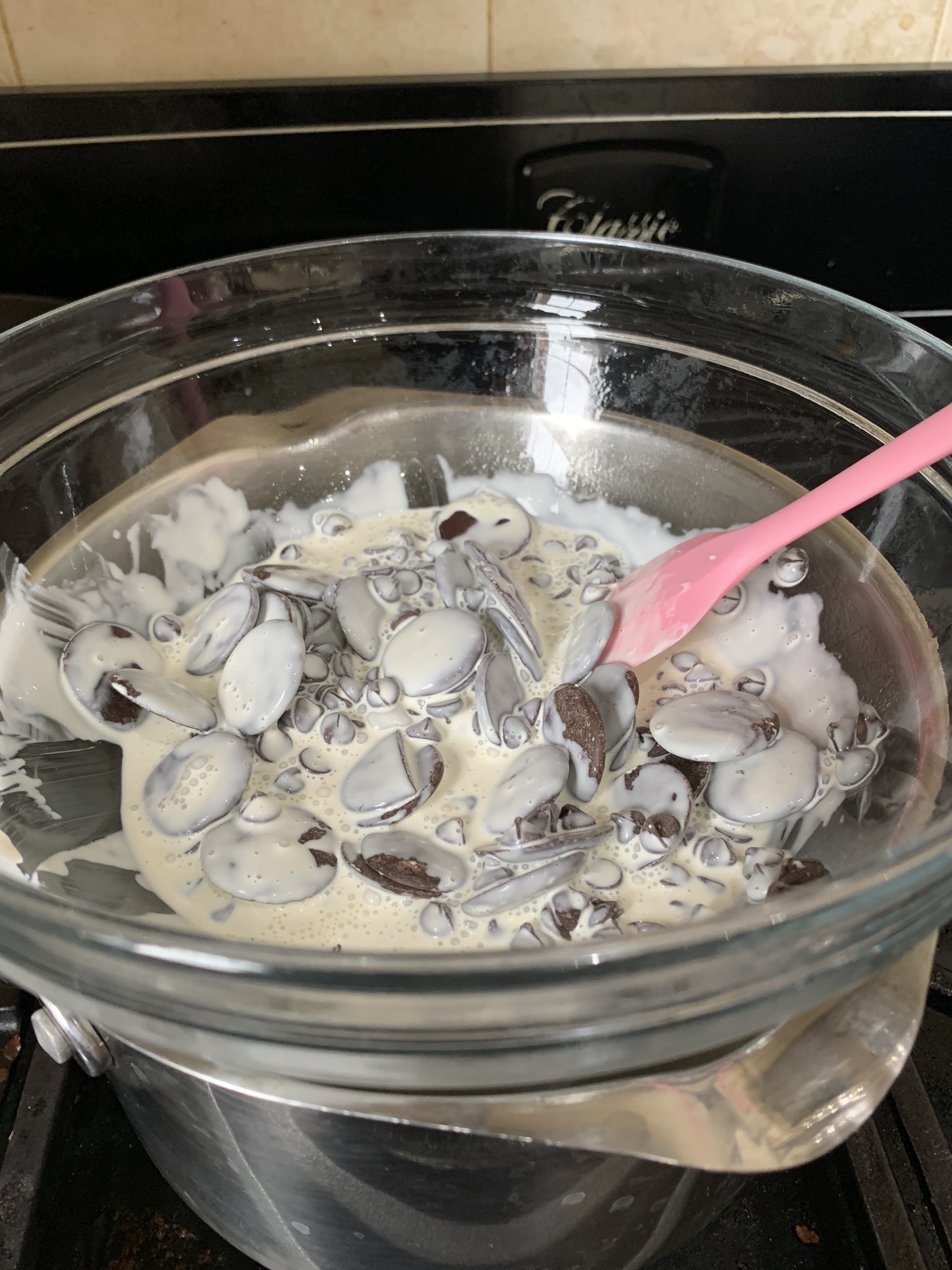
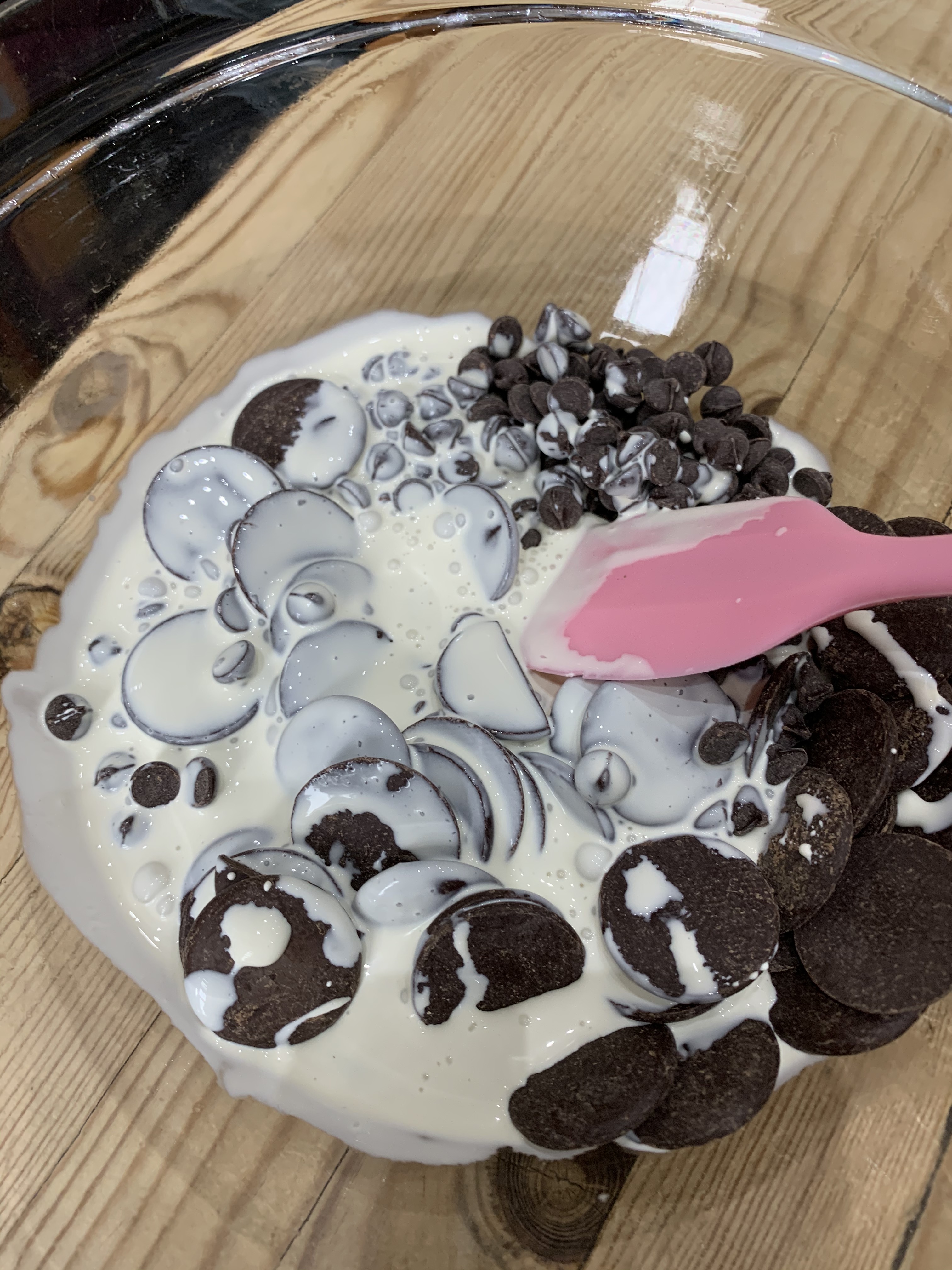
In a large bowl, add the chocolate and the cream, heat very gently until the chocolate begins to melt. Make sure the the bottom of the bowl does not touch the water.

Remove from the heat and stir until fully combined.

Let it cool to room temperature, then decorate your cake!